With many homegrown architects making it big on the world stage, we spoke to two of our alumni about their experiences of moving abroad and establishing themselves in the United States.
Marina Carroll’s and Grant Marani’s stories showcase significantly different eras of the industry – Marani graduated with a Bachelor of Architecture in 1979, and he relocated to the US in the early 1980s, while Carroll completed her masters in 2010, and she moved to New York earlier this year. Yet despite generational differences, many of their experiences overlap, with both having similar motivations to develop their careers abroad.
Inspired by ideas and creativity
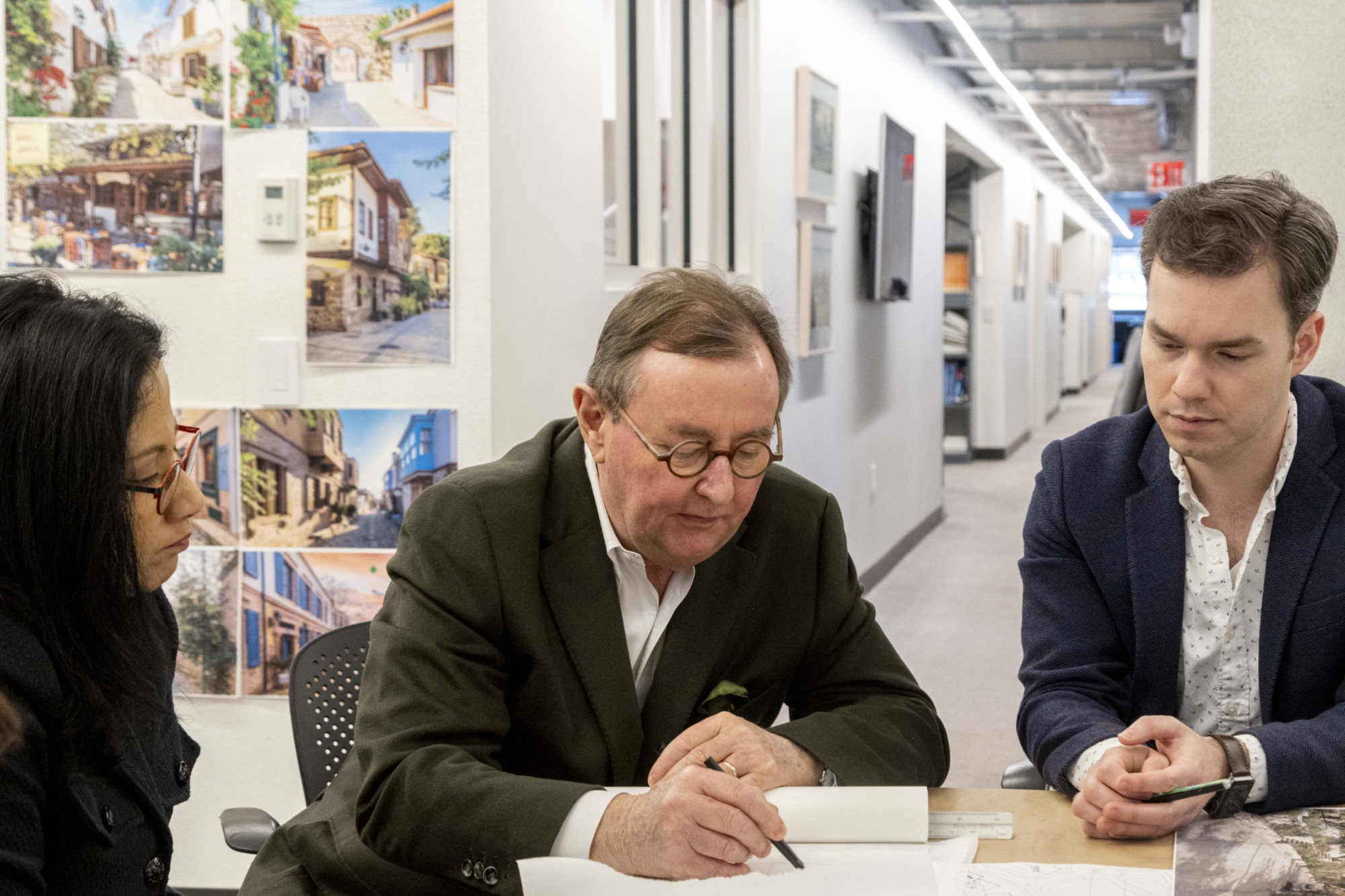
Grant Marani spent the first few years of his career in the late 1970s working in Melbourne with Edmond Corrigan, during which time he founded the Half-Time Club. “It was a forum for young architects in Melbourne to keep minds alive and ideas afloat,” explains Marani. This avenue served as a motivator for him to expand his architectural horizons and informed his decision to explore career opportunities further afield.
Development of a career overseas was grounded largely in a curiosity for a greater diversity of projects. “The scale and breadth of work in the US is simply larger. The US has been comparatively more international, and correspondingly, offered more opportunities.” While most of his generation were migrating to London, Marani decided to move to New York. “I was enamoured with the city through architecture as well as film and music. I applied to graduate school at Cornell University and was accepted.”
After finishing his Master of Architecture at Cornell in 1984, Marani worked with Edward Durell Stone Architects for a short time, then began to work with Robert A.M. Stern Architects (RAMSA) where he would stay for more than 4 decades – and remains today as Partner Emeritus.
Developing her niche for the global stage
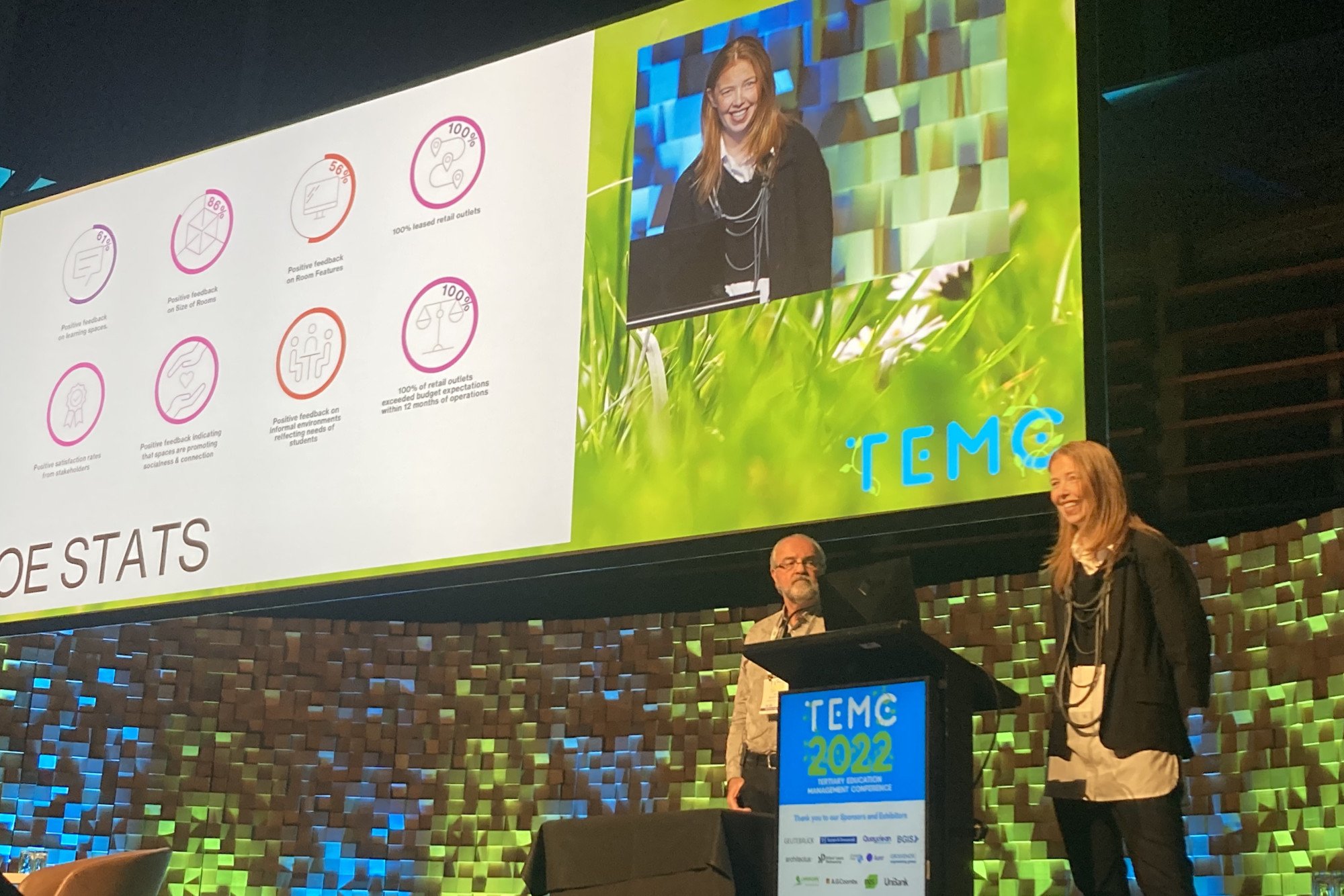
Marina Carroll’s early career has some parallels with Marani’s in that she also decided to develop her expertise locally before moving overseas. Carroll spent 13 years working with Architectus in Melbourne then Sydney and worked extensively with university projects across Australia. During this time, she was able to experience the challenges of relocating and building a new network locally, before moving internationally and doing the same thing in a culturally different landscape.
Through her work at Architectus, Carroll was able to define her niche in the field of higher education architecture and began to understand the potential for career growth was much greater for her in the US. “I’m really proud of my work at Architectus, and particularly at Macquarie and the University of Melbourne on the sort of projects that transcend into global currency.” Like Marani, the size and opportunities of the market were hard for Carroll to ignore. “The US market is enormous – more firms, more projects, more pathways. That drives an astonishing depth of expertise and specialisation,” she explains. “With 43 universities in Australia and more than 4,000 in the US, it felt like a natural next step to move to the bigger pond.”
In early 2025, Carroll moved to the US and is now Principal and Interdisciplinary Practice Lead at Ayers Saint Gross. She is also a Fellow of the Urban Design Forum in New York.
The power of creative communities
While Marani’s network in the US evolved naturally from his time at Cornell, Carroll was basically starting from scratch. From the beginning, her connections came from networking, and she advises this to any early career architects wanting to break into the US industry. “Network, network, network. The US design community is open and generous, and friends of friends will open doors.” Specialisation was also a great asset to Carroll as she relaunched her career in the US. With a focus on higher education, and an MBA she completed in 2023, she found the sweet spot that differentiated her from other architects. “The architecture/business combination is rare and highly valued. Architects often shy away from the business side, but it’s powerful when you can bring both to the table.”
Marani had a different set of circumstances to contend with however, as Australia was far less accessible then than it is today. “Being more connected globally through the internet, and with the ease of international travel, Australia is not as remote as it was when I left. Also, there are now several successful Australian firms on the international scene with offices around the world.” Marani says. “It’s a very different game.”
According to Carroll, we have as much to offer as to gain.
Australians shouldn’t underestimate what we bring. In my case, Australia has always been fertile ground for progressive pedagogy, and the architecture we create reflects that. Many of the approaches we’ve developed are ahead of the curve.
Conversely, she is at the cutting edge of architectural practice in the university sector by being US based. “Ayers Saint Gross is the go-to firm for American universities and for me it’s the perfect fit: I’m combining business leadership with my design expertise and getting to work with some of the most prominent institutions in the world. My peers here are the best of the best in higher education design, and together we’re guiding clients through one of the most challenging moments in US higher education history.”
For Marani the travel and architectural opportunities were undeniable. “My biggest career challenge was the decision whether to go back to Melbourne or remain in the US. I originally thought I’d go back, but after 5 years, I made the decision to stay.” He now has a decades long career and a vast body of global work to look back on. “I’m fortunate to have been involved in work around the world, across a range of typologies, which is rare; from single family houses to courthouses, to chapels, to planning 10 million plus square foot residential communities. I may never have had this type of opportunity in Australia To this end, I’ve travelled the world, while leading the design of a wonderful range of projects.”