Alexandra Chu is an alumnus of the Faculty of Architecture, Building and Planning and the co-founder of ANKEN Group, a real estate development agency based in Shanghai that focuses on sustainable design practices through redevelopment of urban spaces.
The agency was recently awarded by the Urban Land Institute with an Asia Pacific Awards for Excellence, and subsequently also awarded a prestigious Global Awards for Excellence for their project ANKEN Alley. We spoke to Alexandra about how her studies with the University influenced her current work practice.
What are your reflections on living and studying and Melbourne, and how do you stay connected to the university?
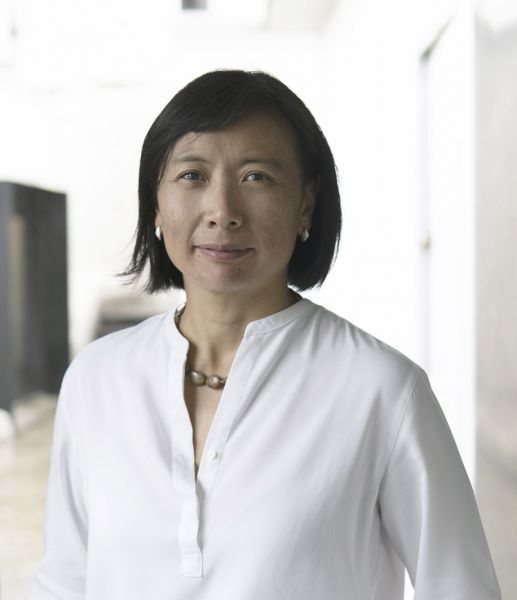
I have family and friends all in Melbourne, so until recently I've been able to travel back at least once or twice a year. I completed my studies at the university in the nineties and a lot of what we experienced in Melbourne at that time, when the whole laneway culture in the CBD was starting to transform, has actually had a big effect on my work. A study experience I remember favourably is a subject I took in fourth year on post-colonialism, which got us thinking about how the layers of meaning, and layers of history and culture in a city affect the way the built environment is formed. That resonated very strongly and has had an impact on what we do now.
What informed your decision to start ANKEN in Shanghai?
When I came to Shanghai the scale of the projects was enormous. I’m sure other alumni who have worked in China have experienced this – it's not always easy to control projects, because there are outside forces that are changing and pushing you in different directions. The decision to shift from design consultancy to investment manager to developer came from wanting to see projects through from conception to reality.
Shifting our focus to development was borne out of a need to find an office for ourselves and recognising that a people-first approach is where you should always start. When you’re designing or doing architecture or development or anything, you really need to understand who the end-user is for a building and go from there.
Starting our own practice ANKEN and getting into the development side was about preserving the true vision of a project. We were lucky enough to do it in a growth market in Shanghai, but at a smaller scale where probably a lot of the other competitors were looking in a much broader scale, and that gave us the opportunity to get our start.
Tell us about the ANKEN Alley project, which has been recognised by the ULI Global Awards for Excellence.
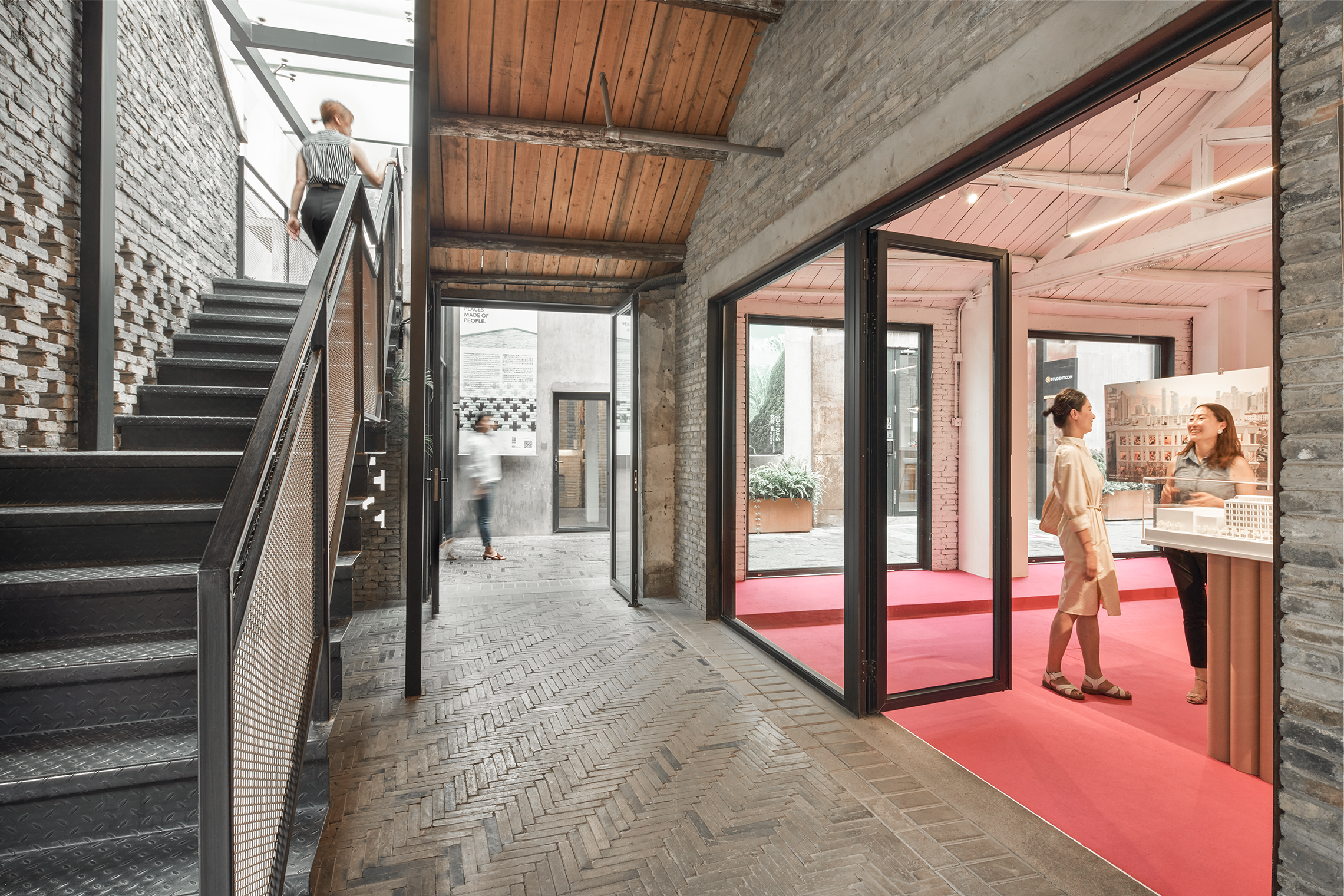
The ANKEN Alley project is actually quite unique, because it was done over two phases. The site was in the middle of an urban block, so it's quite centrally located in Shanghai, but it was abandoned and in complete disrepair. The first phase is a light asset, long lease model and we were able to transform it over a couple of years. And that then gave us the opportunity to purchase the building in front as a hard asset, which led to being able to combine the two projects.
Historically, Shanghai has a culture of laneways, and of course, being from Melbourne, the laneways are an important urban fabric for the city as well. Luckily, I was able to combine a bit of that sensibility from the Melbourne days, as well as with the historic typology of Shanghai, and so the project has cultural relevance for both cities.
Do you think the idea of focusing on underutilised buildings in a city is something that should be applied elsewhere?
Absolutely. From a sustainability point of view, we only focus on existing buildings. Instead of building new, if you focus on existing, predominantly commercial structures, you can save up to half the carbon footprint of a new build. So just by doing nothing, you’re already doing better than a lot of the new builds!
On my many trips back to Melbourne, I’ve noticed that for economic reasons and the effects of the pandemic, more and more of the shops on Bridge Road, Chapel Street and Acland Street are empty. These are great inner-city locations and I’m really interested in finding a functional or financial model that can bring life back to a lot of the main street retail.