Suffian Shahabuddin graduated from the Master of Architecture in 2006. He went on to co-found the Malaysia-based 6IX Design Office almost ten years ago, where he still serves as co-director. Since then, 6IX Design Office has made a name for itself as a group of diversly skilled architects, designers, technologists and passionate collaborators working across all scales of projects both locally in Malaysia and internationally. Efficient resourcing, smart collaboration and future-relevance are at the forefront of 6IX Design Office’s thinking, with their early adoption of BIM playing a central role in their ability to develop strategies that not only anticipate the future but possible changes to that future as well.
Can you tell us a little about how 6IX Design Office came to be?
I’m one of the founding directors of 6IX, together with Suhayl Annuar and Wani Khairi. I met Suhayl through our studies at the University of Melbourne, and Wani attended the same university as I did for her first degree in Malaysia and we re-connected once she came to Melbourne to study at RMIT. Together we were in Melbourne for a period of 12 years having studied and worked with various practices such as Cox, BLP and Buro North. We used to work on multiple competitions outside of our work hours to develop an understanding of how we could supplement each other’s skill set, but ultimately, we just enjoyed each other’s company. It’s been almost a decade since we decided to return to Malaysia and set up our design studio 6IX Design Office. Since then, we have adapted the studio to current market demands globally.
6IX Design Office seeks unconventional design and architectural solutions by reflecting the changing needs of the market and harnessing the development of technology. What led you to be passionate about unconventional design?
Whilst we were in Melbourne, the city went through a construction boom. Many offices needed to transform their ways of working to become more efficient and resilient. We benefitted from being in Melbourne throughout this time as many companies were moving into BIM based environments. Back then, it was only known as 3D generated documentation. We were a part of this experimental period of transitioning big offices into different workflows. Projects were becoming more complex, and offices needed to rely on tech to find different ways of producing better outcomes without sacrificing design values. What came out of it is an understanding of producing unconventional solutions to unconventional problems. We are constantly trying to find better and more efficient solutions to design, design processes and project implementation.
As a self-described Architectural Technologist who advocates for the use of BIM, how crucial has the adoption of BIM or other new technology been to your own success?
It’s been central to our business. It has also led us to develop niche services within the traditional scope. We help our collaborators remain lean or build capacity on a project basis. This allows companies to manage resourcing without the long-term commitments. Leaner companies will be able to pivot faster and remain sustainable in the longer run. This will only be further expedited through the introduction of AI and the blockchain, for example. For us, it has always been our culture to embrace change. Especially in a time when issues such as climate change, depleting natural resources and competing for the best talent has become unavoidable. This acceptance of change will help us pivot and help transform the industry into one that is more sustainable for the future.
What would you choose as a stand-out project that you’ve delivered and why?
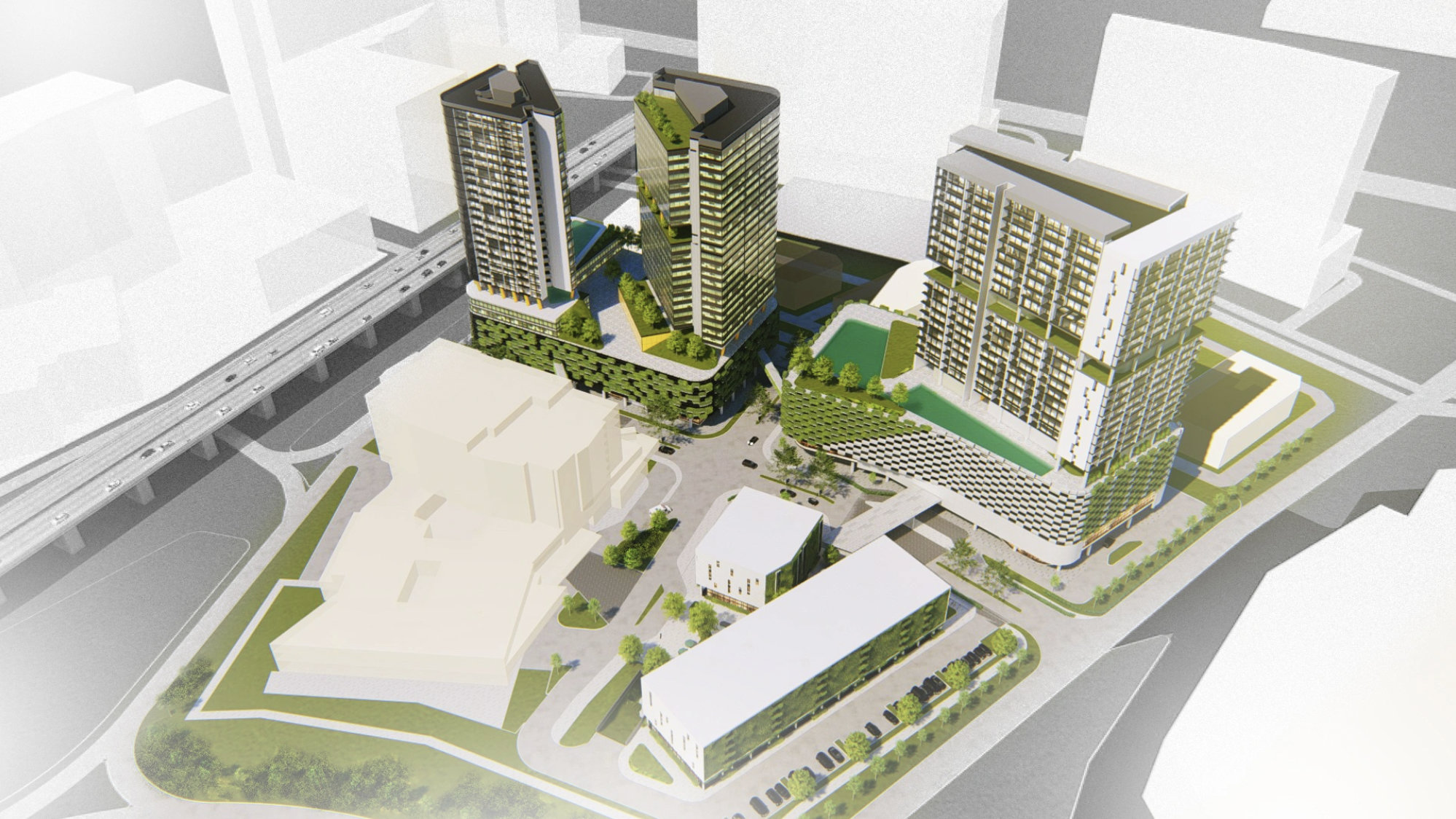
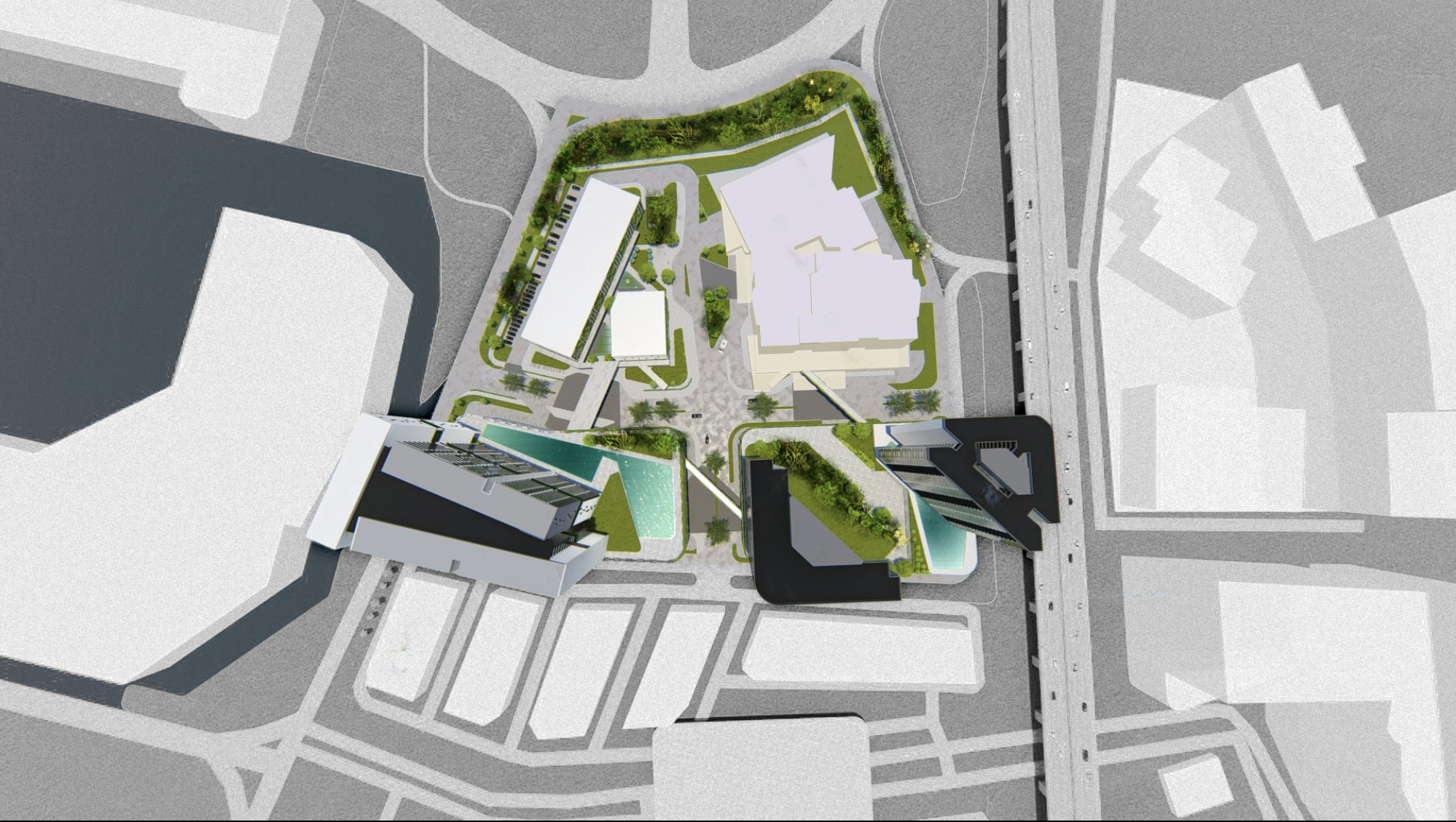
The core of our work collaborates with architects from all around the world. Unfortunately, many of these projects are under strict NDA. However, what I can share is that having the opportunity to work collaboratively and remotely means that we are exposed to projects that have high levels of complexities compared to some of the work that we are involved with locally in Malaysia. And some of these projects have won awards in their own respective countries. The ability to deliver BIM based outcomes has been central to this and it has helped many clients develop their designs more accurately. We often say that we build things twice, once virtually and the other physically.
You’ve worked across 6IX Design Office offices in both Melbourne and Malaysia – and on projects across Australia, China, Vietnam and the Philippines. How does working internationally inform your design thinking?
We’ve developed a global mindset that encourages us to push the boundaries of our office. What we do today was probably not even possible 5 years ago. But with the development of tech and our involvement in projects across different countries, we are exposed to best practice procedures and benchmark ourselves with international standards. This exposure allows us to constantly incorporate the newest and latest in our delivery strategies in many niche services of design. We are spoilt by being able to work on different types of foreign projects without leaving the comforts of home, particularly the food!
Is there any advice you would give to someone just starting out on their built environment career?
My best piece of advice is to establish industry connections early on. My second piece of advice is to be a Revit ninja. Either one of these will get you one foot in the door.