Architecture is inherently political for Kamil Muhammad, an alum of the Melbourne School of Design who obtained his Master of Architecture in 2014. Now a Jakarta-based architect, Kamil is director of the design and research studio pppooolll, co-founder of Architecture Sans Frontieres-Indonesia and part of the team behind Housing Rights in Jakarta, an advocacy group that was awarded the 2024 World Habitat Awards Gold Medal for their work to save settlements, known as kampungs, from developers.
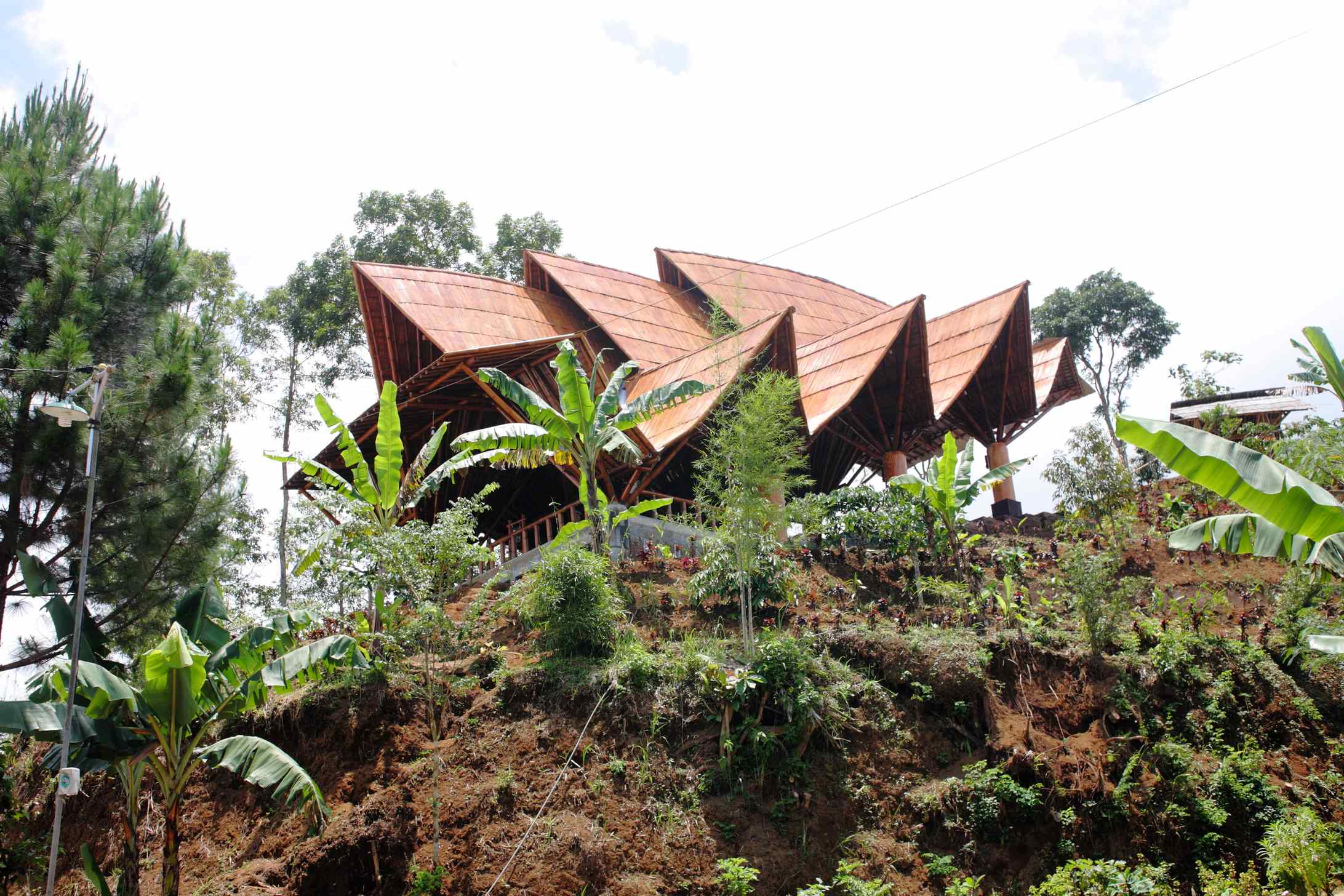
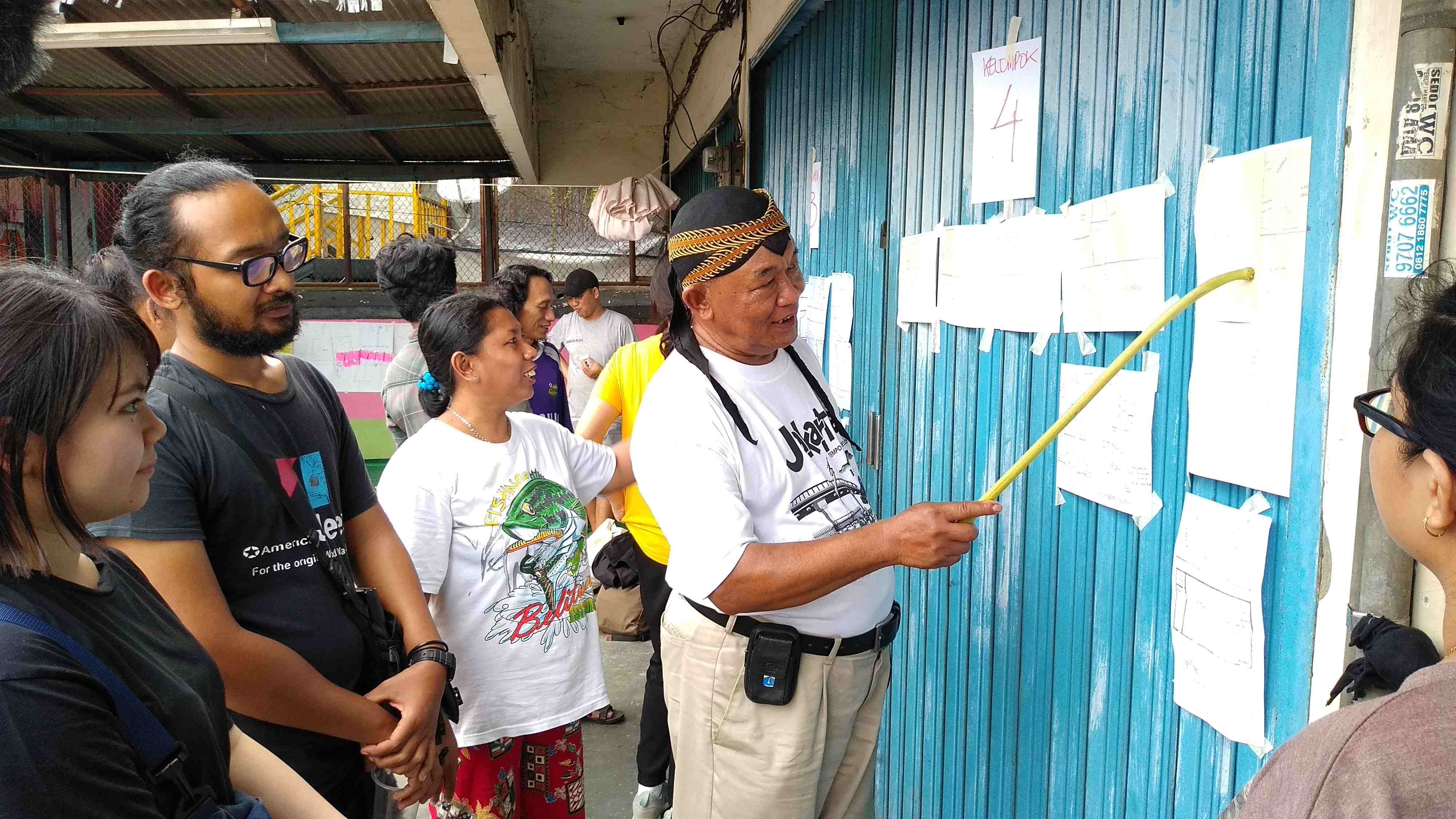
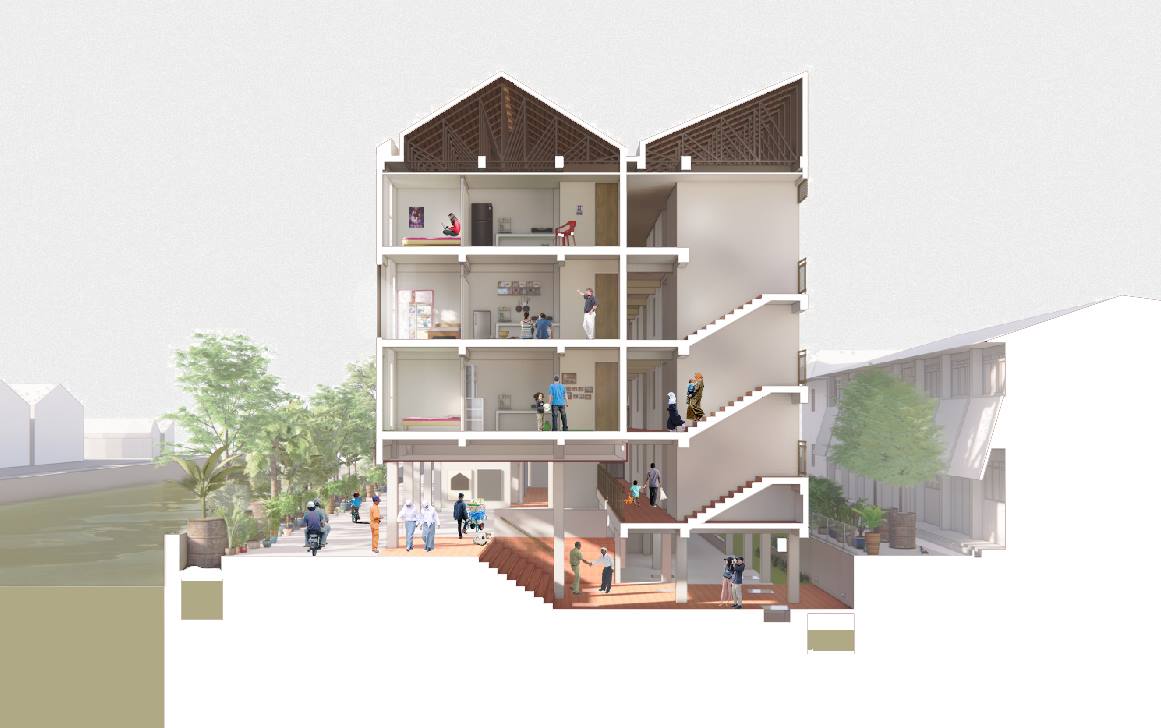

By working with residents, Housing Rights in Jakarta has successfully halted the evictions of 256 people across three riverbank kampungs, and helped 400 families, who had already been evicted, return to their neighbourhood to live in new apartments.
Climate change, rapid urbanisation and the impacts of community displacement, mean that architecture advocacy work like Kamil’s is needed in developing urban centres across the globe. “What I’ve been convinced of is that architecture sits at the junction of many other things in life, in the complexities of the social, the political, the environmental,” said Kamil with gentle earnestness.
Limited by preexisting bureaucratic structures, urban development in Jakarta takes a top-down approach to housing, equating quantity of built structures with quality of outcomes. Kamil rejects this status quo, preferring to work with communities to help them design and build their own homes and community structures that serve their localised needs. And his activism has had tangible outcomes, securing regulatory changes that protect all kampung residents from eviction.
What has to change […] is that you have to be able to work with the communities first, rather than the buildings. So, the architecture is not about the design, the architecture is about being there, the pedagogy of the making, the design with the communities. Kamil Muhammad
Kamil and his team work not only to empower at-risk communities but to develop capacity so communities can build their own structures in the future using locally sourced materials.
Bamboo is plentiful throughout Indonesia and is the key material used in many of Kamil’s community projects. But harvesting bamboo requires local knowledge and an ability to work with the rhythms of the earth.
“For example,” said Kamil, “bamboo cannot be cut down just anytime. You have to wait until after the full moon,” which is when the starch content is at its lowest and the bamboo is easier to harvest.
“With these sorts of things, you have to be there and it’s not easier [than modern methods of building] but that is the point of doing this. It takes time. It takes communal effort and that’s what makes it worth it.”
“We shifted all this work to the local communities so that they could turn this into an economic activity for themselves. A viable, income generating activity, so they have their own small companies that work with bamboo construction.”
By giving communities the tools to be their own creators, in some senses, Kamil is making the traditional role of the architect a relic of the past.
There’s so much discussion about design led, design first. This flipping of community first is really vital. Architects need to be more convinced that what they do means something and they have to be advocates of that. Kamil Muhammad
Kamil is insistent that this kind of co-creative architecture is only possible through embedding yourself within the community. “I hate to be extractive, simply just taking the knowledge from people who live there, from people in the rural areas. Because a lot of this work requires you to be there for a long time.
“It means long-term collaborations, long-term assistance, and simply gaining trust. It’s about building this relationship. And so, you have to be there for enough time for you to be able to have real talk, real chat and real work together.”
When asked what he’d like to see in the future of architectural pedagogy, Kamil was quick to place people above design. “Sometimes architects say that we try to educate people on what good architecture is. But I think [the people of Jakarta’s kampungs] educated me more about existing spatial and social injustice.”