As part of his Masters of Architecture final year research project, Melbourne School of Design student Hugh Foster has developed an elegant cooling solution for the remote community of Kalkaringi.


Located approximately 550km southwest of Darwin, Kalkaringi’s average temperature sits at a scorching 34℃. With electricity supplied by unreliable and costly generators, the Karungkarni Arts Centre, and the Gurindji artists who work within it, don’t have access to reliable cooling.
With art being one of the region’s primary economic sectors, the Arts Centre is both a cultural hub and a core pillar of Gurindji financial sovereignty. Access to safe, sustainable, and location-specific cooling options are vital to help sustain artists’ livelihoods and cultivate a broader sense of cultural coming together.
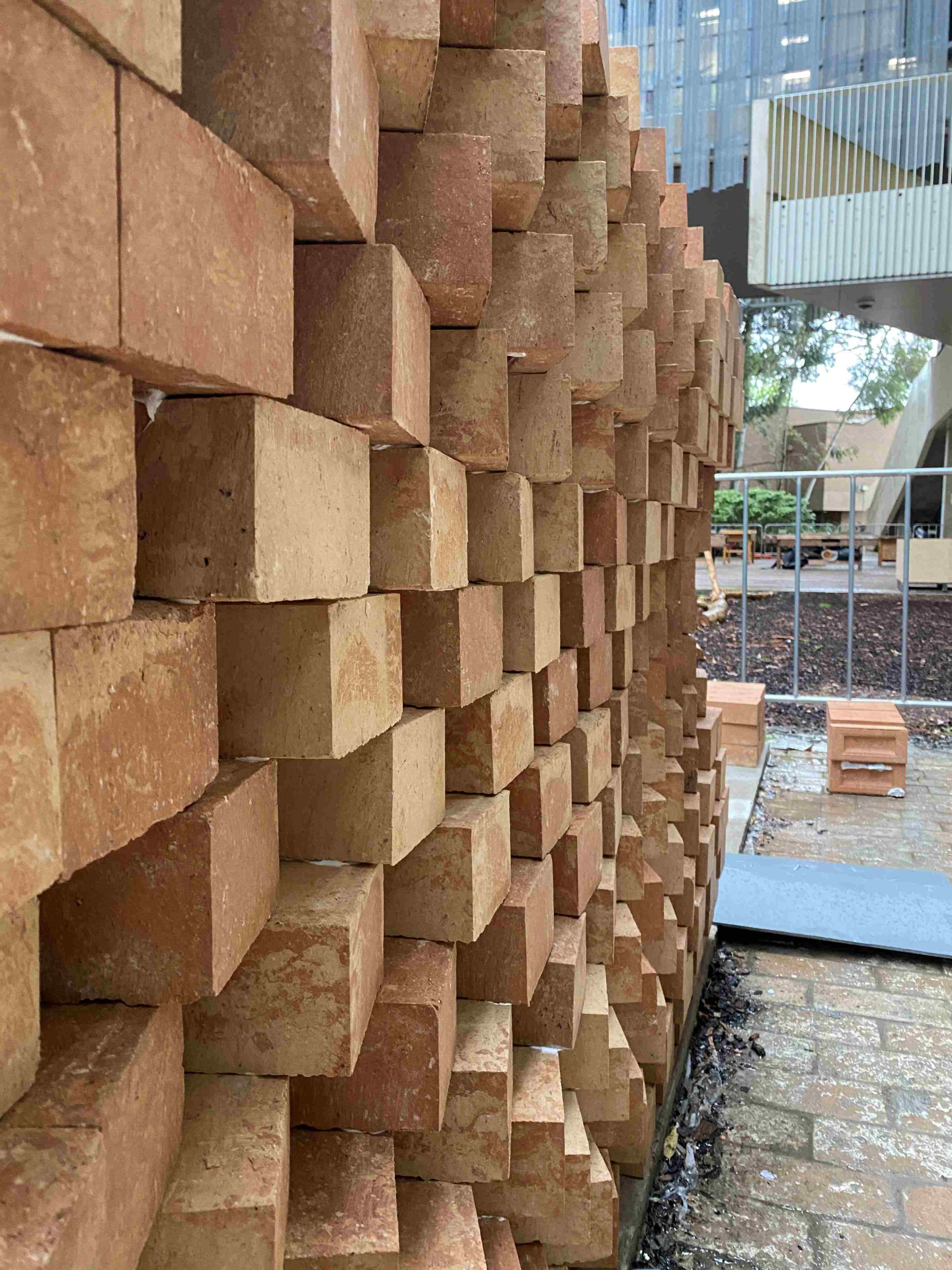
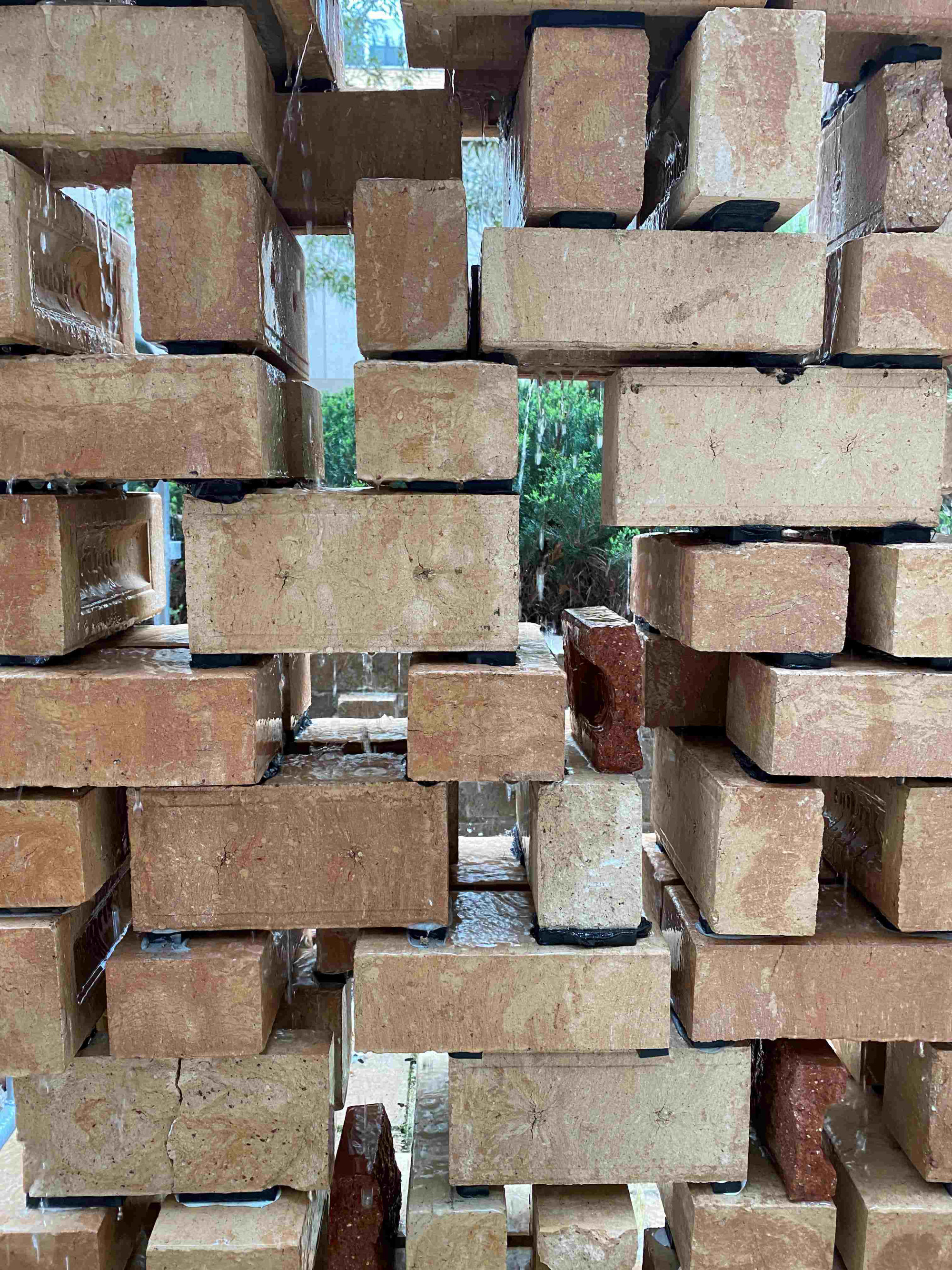
It is exactly this problem that Foster, who has also worked in the construction industry, hopes to address with his proposed evaporative cooling wall, designed as part of the award-winning Bower Studio.
Putting the Bower Studio ethos of meaningful engagement, listening and understanding into practice, Foster has worked both alongside and within the historic Kalkaringi community throughout his Masters program. In 2023, Foster participated in the Karungkarni Arts Centre extension project. “It's one of the best university experiences I've had,” said Foster, his face lighting up. It’s during this time, living on Country, that Foster learned what the community needed to improve their Arts Centre and how he could work with Gurindji to deliver it. “The consulting part is so important,” said Foster.
In simple terms, “they have problems with power, but they have an abundance of water,” explained Foster. This spurred him to think creatively, returning to ancient cooling design principles from as early as 500 BC. Inspired by traditional Persian and Indian thermal cooling architecture together with modern interpretations from studios including Emerging Objects, Arquitectura SAS and ETH Zurich, Foster began testing his own evaporative cooling wall prototypes.
The proposal had to cover the functional aspects, but the aesthetic aspects fed from my time on Country…trying to reference the local landscape, use materials that were functional, available and pragmatic. Hugh Foster
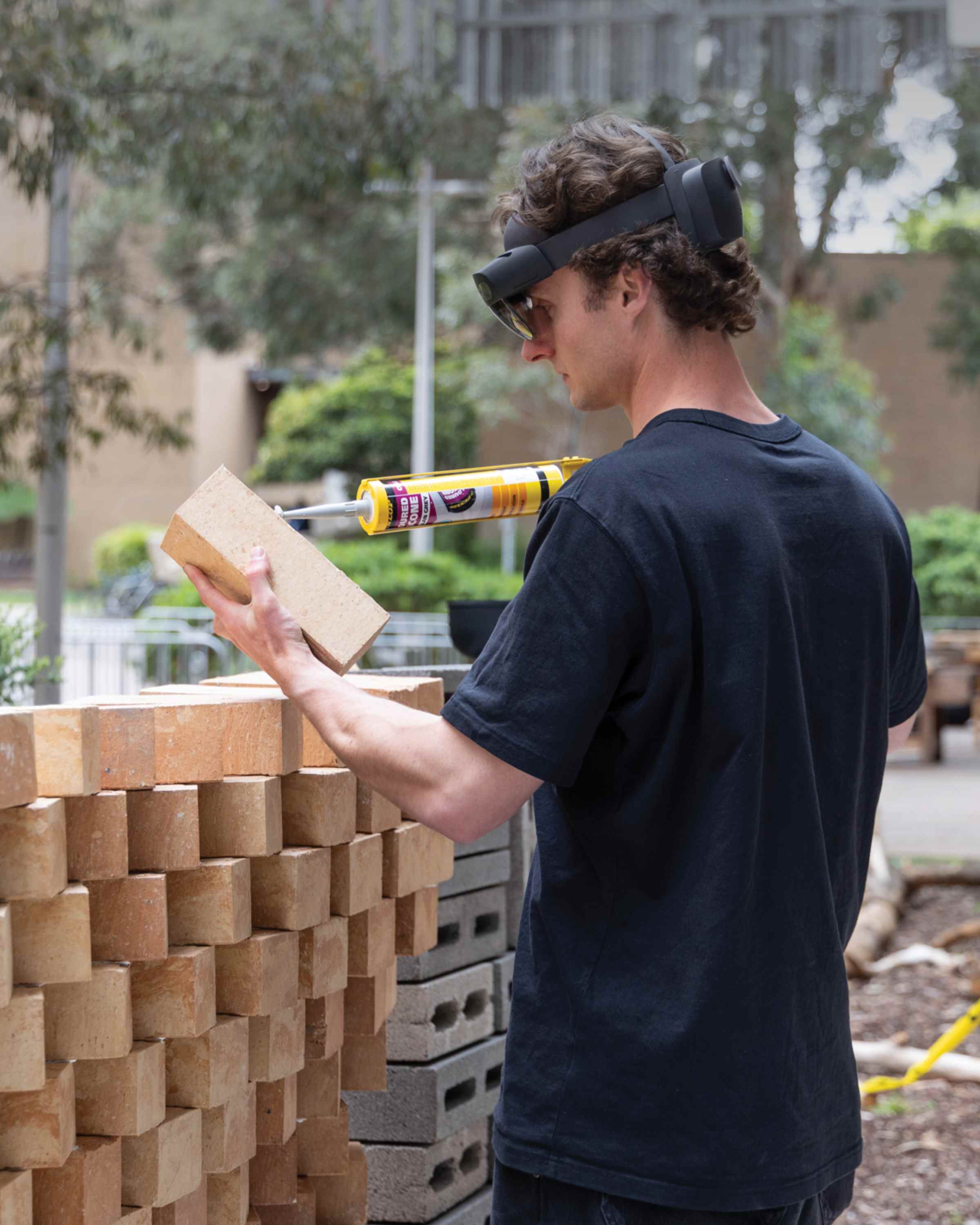
What followed was the creation of three prototypes constructed onsite at Melbourne Design School. Foster utilised VR to construct millimetre-perfect cooling walls in gentle wave formations and thermal imaging to ascertain the heat retention of various materials. Each prototype resulted in a cooling of almost 3 ℃, with all the walls crafted using different types of donated or inexpensive bricks that not only reflect the Kalkaringi landscape but are easy to transport and build onsite.
Foster now begins the wait to see if one of his prototypes will be accepted as this year’s Bower Studio project. When asked what’s next in his journey as both a future architect and builder, Forster said “I'd love to try and balance between architecture and construction. I think for me, social, economic and cultural sustainability are the three pillars that I would want to design and build around.”