Nestled amongst World Heritage wilderness, the remote northwest coast of Tasmania harbors stories of wild success and catastrophic collapse – the remnants of a rich mining and hydroelectricity heritage now fading into history. But can wilderness tourism bring the region back from the brink? For landscape architecture student Ysobelle Lane, this tension between decline and rehabilitation lies at the heart of her research.
Shaped by extraction
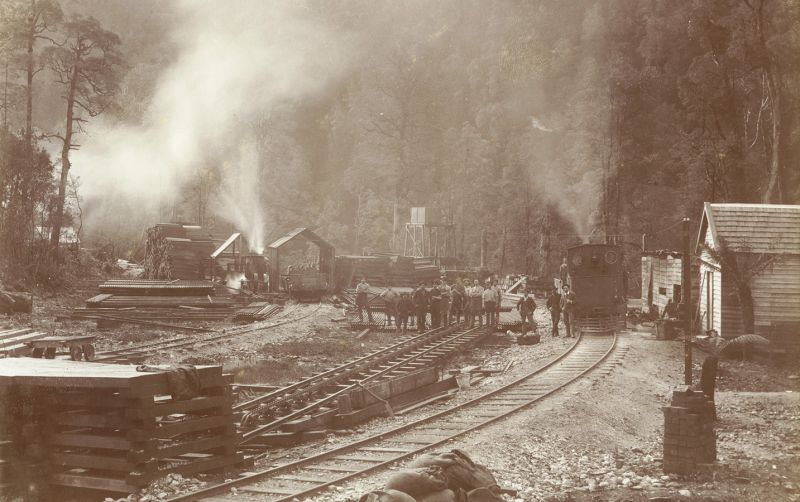
Tasmania, or Lutruwita in the revived Palawa language, has been shaped by a legacy of mining and industrial development. The discovery of coal by Europeans in the early 1800s kicked off a frenzy of prospecting along the mineral-rich northwest. The Mount Bischoff tin mine in Waratah triggered the first boom in 1871, followed by major silver, lead, copper and gold strikes that gave rise to towns like Zeehan and Queenstown. The harsh geography was precisely what drew settlers, convicts and industrial prospectors to the island’s fringes. But the days of extraction are almost over.
Mines, the economic life support of the West Coast, are living on borrowed time.
Boom and bust
Today, those thriving mining hubs have become virtual ghost towns as their resources have depleted and industries have shut down. Lane is investigating how these cycles of boom and bust can shape the region’s future. “They don’t have those [industries] anymore. The mines are all closed down, so hundreds of people have moved away,” Lane says.
This economic decline poses complex questions: Should these dwindling settlements be left to slowly decay, their heritage folding back into the landscape? Or is wilderness tourism the answer, though it risks compromising the very remoteness that draws visitors?
Chaos landscape
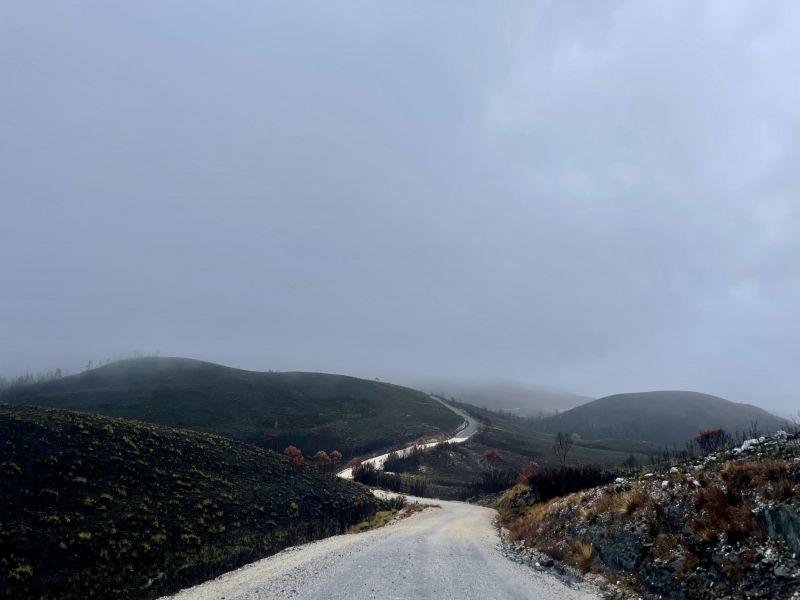
Lane’s approach is guided by emergence and chaos theory – embracing the unpredictable, non-linear dynamics at play. By distilling the region down to its core components and tensions, Lane hopes to uncover potential futures for the struggling towns that are community led rather than imposed by outsiders.
“It’s very much up to the town to decide what they want to do with their future. My position is to just give them options,” Lane states.
There’s a success story and there’s also a ruin story.
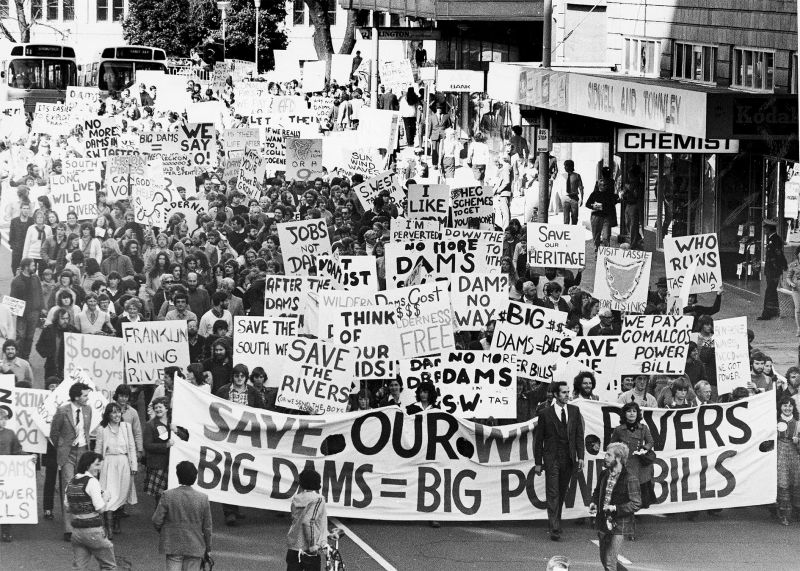
Some towns like Queenstown are experiencing a renaissance, with a flourishing arts scene and the potential reopening of the Mount Lyell copper mine. But others like the former hydro town of Tullah face a more tenuous future as “a transitional town” with just 200 residents remaining.
For Lane, the way forward lies in analysing each town’s unique context, including gleaning insights from literature, theatre and film. Novels by authors such as Tasmanian born Richard Flanagan together with a recent spike in gritty television productions, like ABC’s Bay of Fires drawn to the West Coast’s cinematic landscapes, all have a role to play in understanding the region’s appeal, and its dark side.
Ultimately, Lane hopes her work encourages more thoughtful approaches to the landscape that move beyond formulaic solutions. “I want people to be more involved and engaged with Tasmania as a whole,” she says, “to acknowledge the shameful things that have happened in our history and just immerse themselves with that landscape’s character a lot more.”
As the island’s mining ghost towns stand at the crossroads, it’s the landscape’s character – raw, uncompromising, steeped in tragedy and human perseverance – that will help shape their next chapter.