According to sustainable housing expert Fatou Kiné Dieye, the world’s top three urban centres will be in Sub-Saharan Africa by the end of this century and they will be nearly three times the size of today’s megacities. The Faculty is excited to meet the opportunities and challenges presented by Africa’s rise. Three of our researchers sat down with Atrium to explore their work both in Africa and within Australia’s African diaspora.
Placemaking practices of African migrants
Dr Kelum Palipane is Senior Lecturer in Architectural Design. She moved to Melbourne from her home country, Sri Lanka, 20 years ago where she studied and worked as an architect, always with an interest in how human relationships are mediated by physical space.
Palipane has taught undergraduate and graduate subjects at the University of Melbourne since 2010 and published on the diverse place-making practices of marginalised communities in Melbourne and overseas.
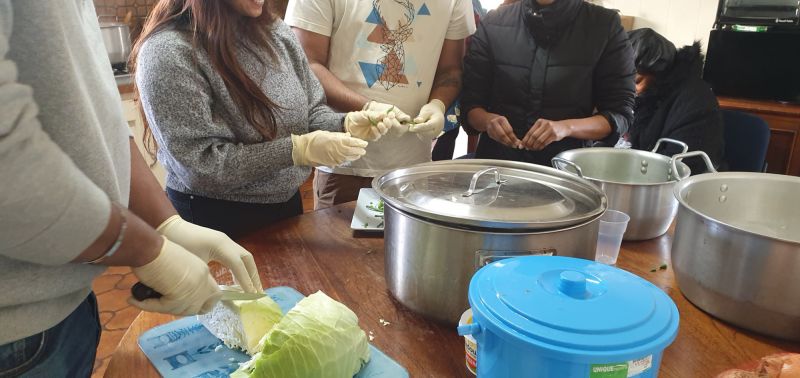
Her current project is called Ubuntu as Place. “The word ‘ubuntu’ translates as humanism or humane-ness,” she explains. “It is the Black African world view that describes the significance of group solidarity.”
The project is focused on the ADRA Community Centre in Melbourne’s suburban Springvale where social and family services are offered to local people, many of whom are of African descent.
“Through multimodal mapping and creative ethnographic methods, I’ve been investigating how the concept of ubuntu manifests spatially” she says.
Unfortunately, one of the challenges that migrants who are visible minorities face is racism. “This can be exacerbated by a lack of nuanced understanding around place-making activities.”
"For example, the gathering of African men is often portrayed by the police and media as possible gang activity leading to racial profiling. But if we have a deeper understanding of these activities, we see that relationships nurtured through a community of informal social networks – in place – is the spirit of ubuntu.”
Palipane’s study of the Centre, reveals relationships positioned and negotiated in space through the ideals of ubuntu flatten hierarchies typically seen in service provider settings and its collectivist ideals help forge new relationships that transcend ethnic and linguistic differences.
African people are very proud of their heritage and culture. If there is anything I can do for Rwanda and Africa, I will. Professor Patrick Cobbinah
Designing a social fabric
Francesco Stassi is a Lecturer and Creative Practitioner. He is also a registered architect in Italy and Rwanda, with extensive experience in socially engaged architecture in East Africa.
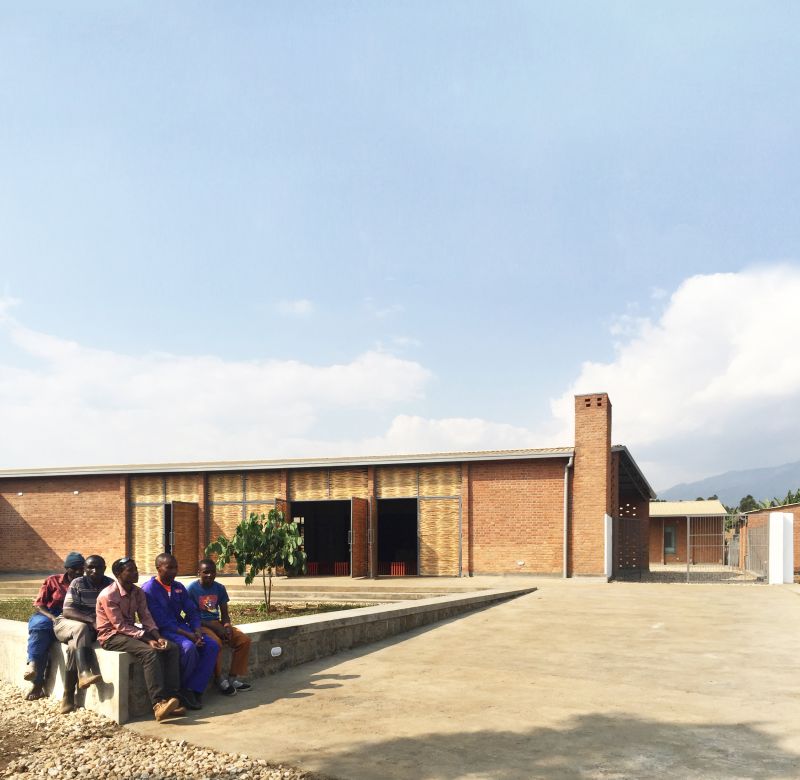
Since 2014, Stassi has been a Director and Partner at ASA Studio, Active Social Architecture, an architecture firm based in Kigali.
“The practice has a strong commitment to the social value of architecture,” he explains. “We know that architecture is a powerful tool to empower communities, and in places like Rwanda where our work is focussed, we feel that responsibility very strongly.”
Over the past decade, Stassi has worked on more than 100 projects across East Africa, with a strong focus on environmentally sustainable design, social engagement, and community empowerment. He specialises in designing education, sanitation, health and community facilities in rural areas, refugee camps and informal settlements.
In 2024, he co-led a Master’s design studio focussed on a Rwandan project.
“Drawing from my own experience, we explored how design decisions, material choices and technologies impact not just the environment but the country’s social fabric,” he adds.
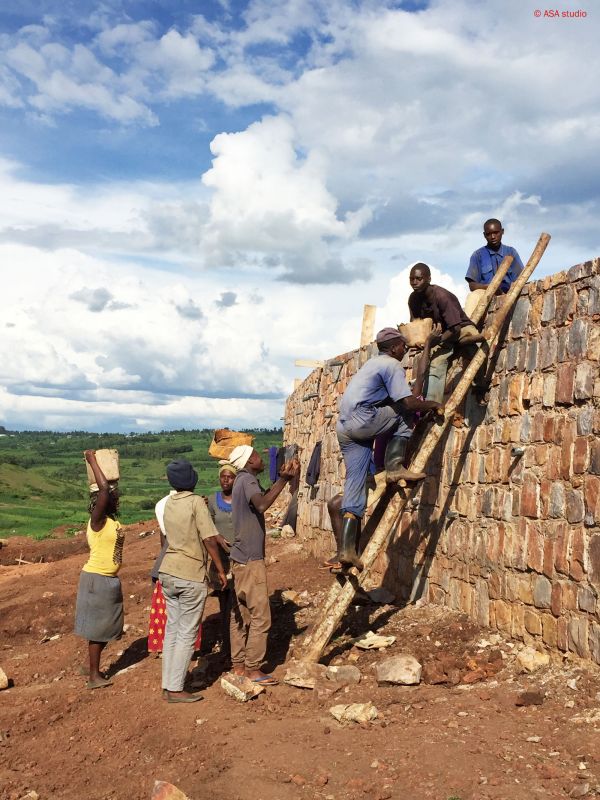
A cornerstone of his work in African countries is the participatory process he describes as “absolutely vital.”
Collaborating with all stakeholders is key, from way before the project starts to when it is up and running. Community engagement doesn’t stop at design. We are working on projects that will impact local life and economy so we design for the long-term.
ASA has recently begun a training program for women in construction involving community groups, local governments and built environment businesses.
Stassi’s experiences working in East Africa also inform his teaching back in Melbourne, saying “I’m very happy to bring learnings from my African project experience home to our students and vice versa.”
Tackling climate change in Rwanda
Associate Professor of Urban Planning Patrick Cobbinah joined the University of Melbourne in 2019.
Originally from Ghana, Cobbinah’s background is in human geography. He has broad experience in urban and regional planning gained through teaching and research at universities in his home country and Australia.
His special interest is climate change and its impacts on urban and regional planning.
“I always knew that environmental management in countries like mine was critical to the future. When we look back we realise that we didn’t adequately resource for the future,” he says.
As a result, Cobbinah has developed what he calls “research packages” that will help guide urbanisation and sustainable environmental development in Africa focussing on Ghana.
Into the future, Cobbinah hopes he can build stronger connections between African and Australian urban planners.
“They are both beautiful places with much talent in the built environment sector – we can always learn from each other.”