The cities we live in are facing crises on many fronts – the devastating impacts of climate change, exponential demands for improved human health and safety, and mounting trends of societal inequity. It’s the job of the urban planner to make sense of it all; creating a tangible difference to the world around us by preparing our citizens, cities and communities for the future.
So, what is urban planning and why is it so important?
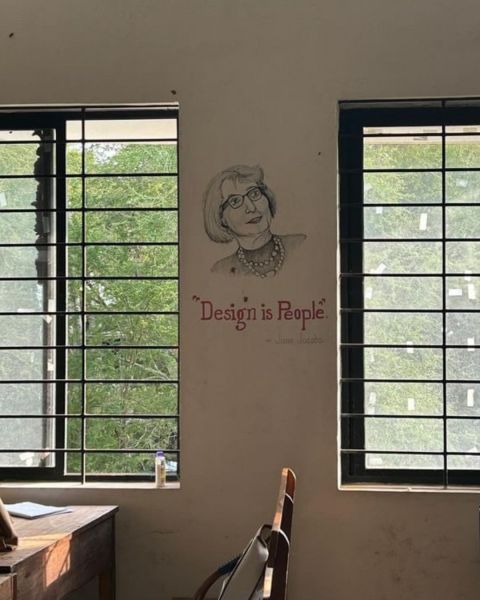
The term ‘urban planner’ is an interesting one. While the more traditional job titles of ‘town planner’ and ‘city planner’ may be familiar, they don’t capture the full scope and impact of what urban and regional planners actually do.
Urban planners actively engage with some of the most pressing issues of our time – including energy use, sustainability, urbanisation, housing, transport, infrastructure, heritage and conservation.
They are the link between people, place and policy, ensuring that our cities are built for, and by, the good folk who live there.
What do urban planners do?
The kind of work an urban planner does is varied and interesting. As key players in the built environment landscape, they develop and implement plans and policies for the controlled and strategic use of land. They explore the design and planning of public spaces, taking into consideration social, economic, aesthetic and environmental factors to improve the ways our cities function and the ways we live.
It’s their job to make sure a city’s systems actually work.
More specifically, urban planners:
- Are investigators. Planners need to take a deep dive into data and research to understand the complex factors that impact land use. These could be economic, legal, political, cultural, demographic, sociological, physical or environmental factors.
- Are collaborators. They work closely with government authorities, communities, architects, engineers, social scientists, legal professionals, economists, and planning, property, development and environmental specialists.
- Are translators. Planners present evidence-based cases, research and opinions on best future use of land and infrastructure in ways that are meaningful and can be understood by various groups. They synthesise information to make a case, perhaps to speak at public meetings or to explain planning proposals and issues to regulatory authorities.
- Are trusted advisors. They may serve as independent mediators in disputes over planning proposals and projects, or advise governments and organisations on optimal planning and resource planning.
What skills do urban planners need?
I’m always impressed by our students in the Master of Urban Planning course because they possess a great combination of technical attributes, like planning and design skills, and personal qualities, such as empathy and open-mindedness.
First of all, they are interested in tech, they are excellent at problem solving and, above all, they are capital C ‘Creative’.
Then, they’re visionary, with great ideas about how to change the world.
And always, they use spatial thinking, integrity and vivid imaginations to see a situation and instinctively picture how it could be better. As their teachers, we encourage them to never lose that idealism as they move into their working lives.
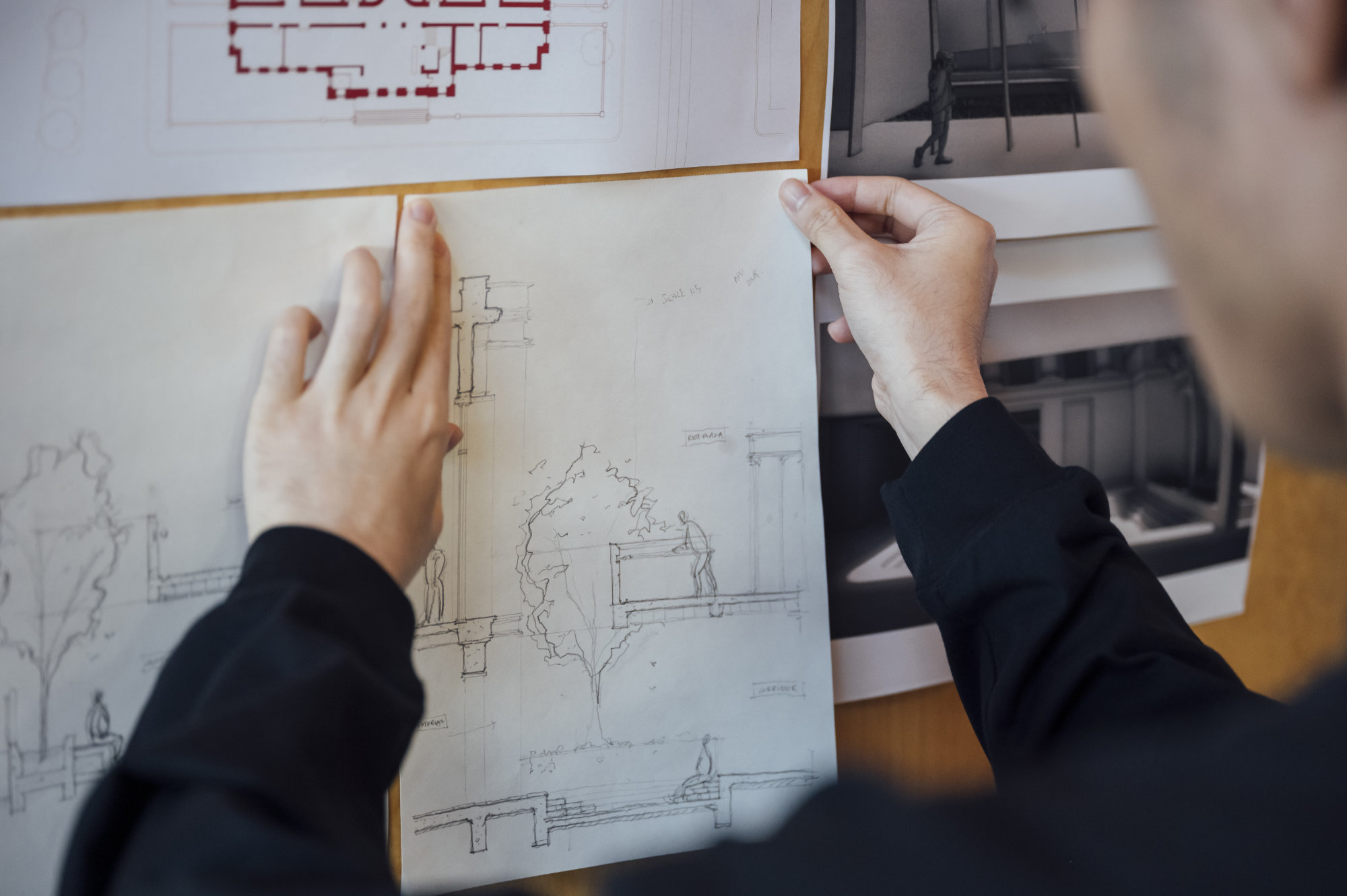
Varied careers in high demand
Currently, there is a high demand for urban planners in Australia and globally right across the built environment sector. In fact, the Planning Institute of Australia (PIA) has highlighted a critical national shortage of urban and regional planners.
Graduates have a range of careers pathways open to them. They are employed in state and local governments: in the private sector for companies and as consultants; in not-for-profit organisations; in research and education. Into the future, I see more acceptance of new and emerging realities. As our cities continue to grow and become more complex, we will only ever need more urban planners.
They are the ‘ideas people’ who find ways to fix issues and produce new, innovative solutions, ways to do things and improve peoples’ lives.
One of the wonderful things about a career in urban planning is that there’s something for everyone. You can tailor your career based on your unique interests and passions. If you’re interested in improving the connectivity of public transport for people with access needs, creating more greenspace for seniors, addressing housing affordability for renters or protecting local wildlife from traffic, every urban planner makes a unique contribution and has the chance to make a positive, tangible difference.
Why study urban planning at the University of Melbourne?
You don’t need an undergraduate qualification in a built environment discipline to be eligible – lots of our students come from science, arts and even music degrees!
You’ll find your cohort is friendly and mutually supportive. And our academics and researchers are compassionate, skilled and encouraging.
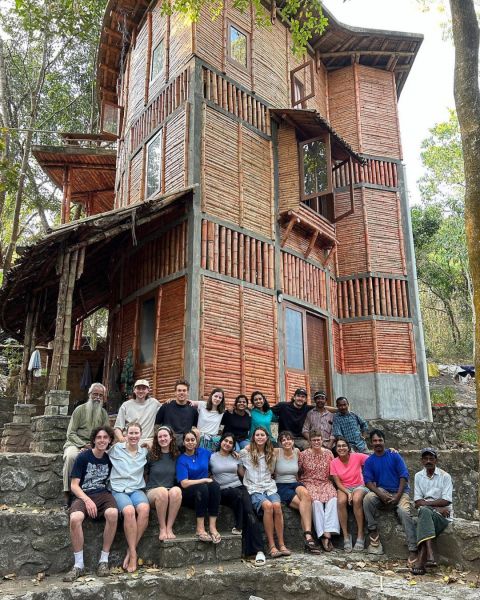
Because we’re part of a multidisciplinary faculty – Architecture, Building and Planning – our interdisciplinary approach teaches our students to think broadly and prepares them to work collaboratively in industry. Our options for practical, hands-on experience are impressive. Travelling studios are ‘working laboratories’ that stimulate design thought in places as diverse as Brazil, Canada, Chile, China, Germany, Hong Kong, Indonesia, India, South Korea, Spain and Sweden.
Placements, research and recognition
Our vocational placements, also known as Work Integrated Learning or experiential learning, are a valuable way for students to get hands-on industry experience while studying. In fact, many of our students start work in professional practice before they graduate.
If you’re interested in research, the opportunities are almost endless. I always have a few research projects in train at any time that I’m happy to share with my students and I hope to inspire their self-directed projects. And, our Master of Urban Planning is recognised by the sector’s peak body, the Planning Institute of Australia (PIA).
While our course may be a little longer than others, I feel that it benefits students by providing a deeper, more comprehensive and holistic understanding of what it is to be an urban planner, and produces more well-rounded professionals. It means that when they graduate they are fully prepared and ready for the workplace. Plus, the University of Melbourne brand opens doors everywhere!
Professor David Nichols teaches urban planning history, theory, and social and cultural planning in the Faculty of Architecture, Building and Planning at the University of Melbourne.