ABP awarded grant to co-design age-friendly housing with Wyndham communities
ABP has recently been awarded a University of Melbourne Civic and Community Impact Fund Grant for a project titled Co-designing Age-Friendly Housing with Wyndham City’s Culturally Diverse Residents.
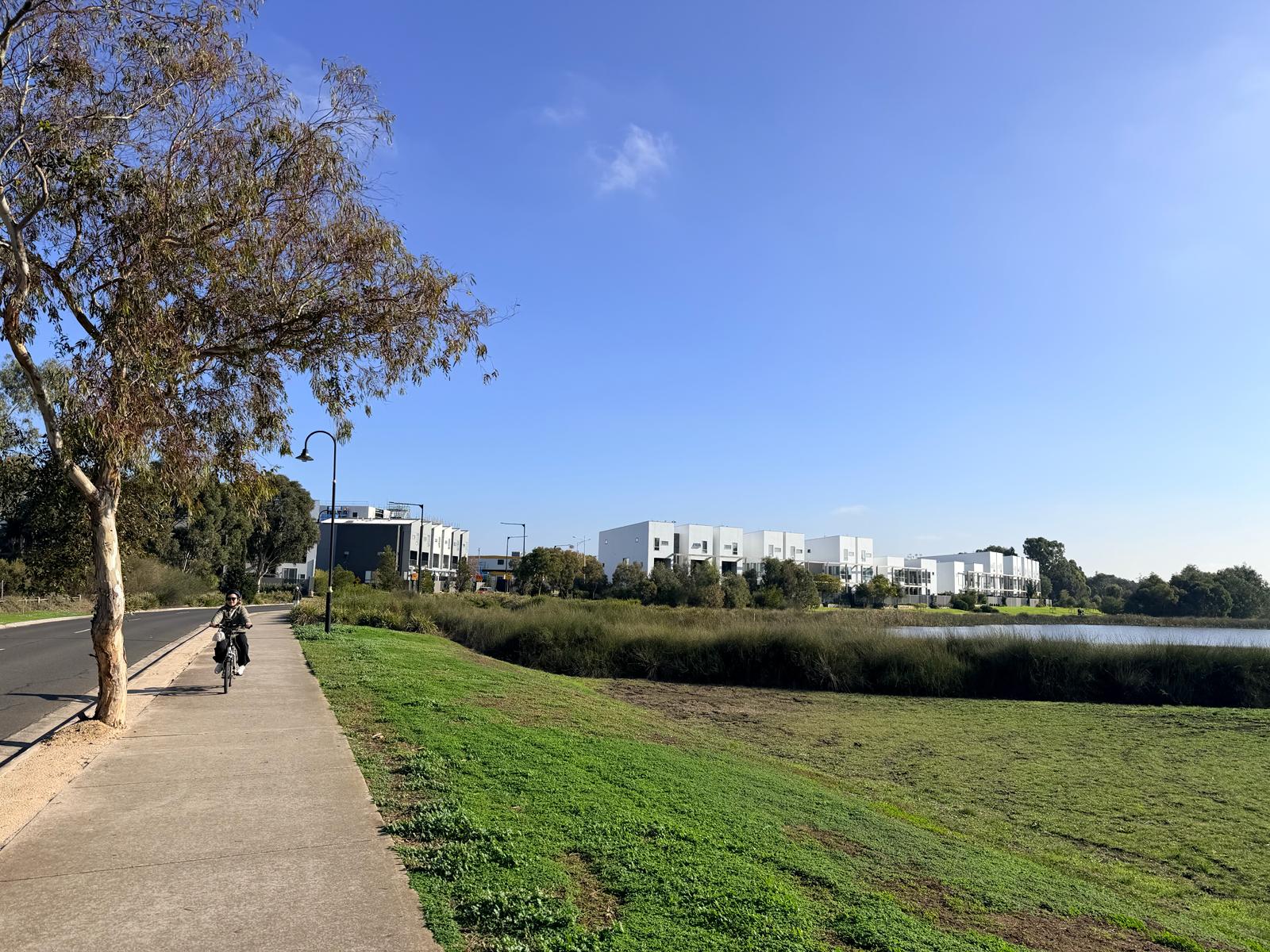
Led by Dr Ruby Lipson-Smith, Dr Ash Alam, Dr Larissa Arakawa Martins, Professor Christhina Candido, Professor Rebecca Bentley and Dr Benish Chaudhry, the project brings together researchers from ABP and the Faculty of Medicine, Dentistry and Health Sciences (MDHS) in partnership with the Point Cook Action Group (PCAG) and local community organisations.
Working directly with culturally diverse residents in Wyndham, the research will explore how people conceptualise home across the life course and how these perspectives can inform the design of age-friendly housing, health services and aged care environments. The project responds to a significant gap in current design knowledge.
While “home-like” environments are widely recognised as important for wellbeing in later life, most existing research and design guidance is based on English-speaking populations. As Melbourne’s western growth areas become increasingly culturally diverse, there is a growing need for housing and care infrastructure that reflects a broader range of cultural values and lived experiences. Using community-engaged and co-design methods, the research will identify priorities for age-friendly housing and residential aged care that are responsive to the needs of Wyndham’s culturally diverse communities.
The findings will also support local government planning and service development. Importantly, the project aims to establish a scalable model for engaging culturally and linguistically diverse communities across Melbourne’s growth corridors. By combining community expertise with academic research, the initiative demonstrates how university–community partnerships can address global challenges such as population ageing, cultural inclusion and housing suitability through meaningful local action.
The project also creates opportunities for future collaboration with government, industry and community partners, helping to build more inclusive and age-friendly places to call home.