designX
Discover the passion and talent of over 700 graduating students as we launch the 2025 designX showcase. Celebrating the work produced in our Bachelor of Design capstone subjects.
As part of MSDx, the designX showcase transforms the basement of the Glyn Davis Building with an exciting display of design work from students majoring in Architecture, Civil Engineering Systems, Computing and Software Systems, Construction, Digital Infrastructure Engineering Systems, User Experience Design, Graphic Design, Landscape Architecture, Mechanical Engineering Systems, Performance Design, Property, and Urban Planning.
The exhibition features a multi-faceted display of design ranging from speculative visions to real world problems through 12 distinct disciplinary lenses.
Come and celebrate our students’ incredible design work with us!
designX is presented by the Faculty of Architecture, Building and Planning, Faculty of Engineering and Information Technology and Faculty of Fine Arts and Music
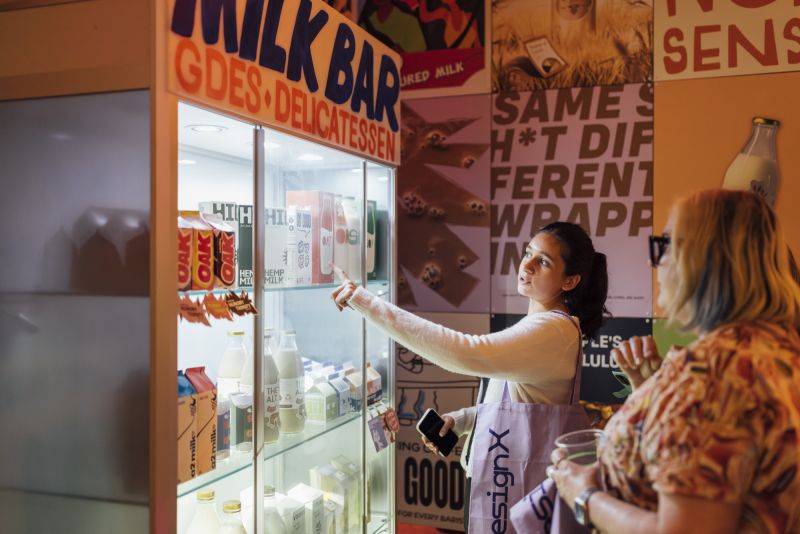
Exhibition information
21 November – 5 December 2025
Open weekdays, 8am – 7pm
Basement level, Glyn Davis Building, Parkville campus
Explore innovative projects across each of our Bachelor of Design majors
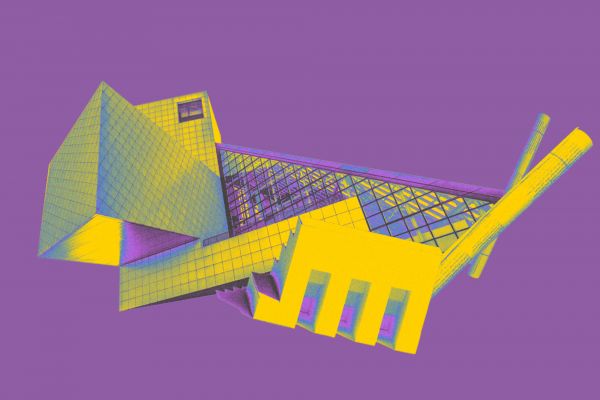
Architecture: Design Studio Epsilon
Informed by the theme 'Beyond Housing', Studio Epsilon seeks new housing solutions that are better suited to current societal needs, pursuing housing models that provide communal methods and integrate diverse uses. We focus on how people might live closer together and how design can provide innovative and lasting solutions to support communal living.

Civil Engineering Systems: Geotechnical Modelling and Design
Solving design problems while considering multiple and sometimes conflicting design criteria, Geotechnical Modelling and Design strengthens fundamental soil mechanics knowledge and intensively expands practical geotechnical engineering knowledge and modelling skills. Modern geotechnical computer modelling software is used to simulate practical engineering design problems.

Computing and Software Systems: IT Project
In this subject students work on a real life problem in small teams. Each team analyses the information needs of users and develops working computational solutions. Teams analyse, design, implement and test a non-trivial IT system developing and managing a project to deliver a quality IT product.
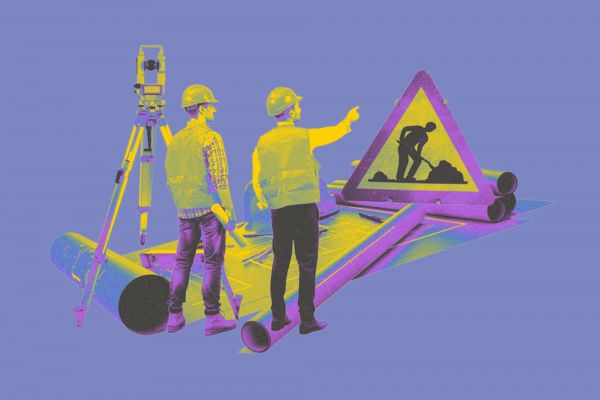
Construction: Industry Partner Project Studio
This subject builds on an understanding of construction technologies and introduces project management concepts. A design proposal is translated into operational construction and project management plans, where decision making can be explored from concept through to completion. Details of project environment, construction systems, resource constraints, production processes, and management tools and methods are engaged toward efficient project plan development.
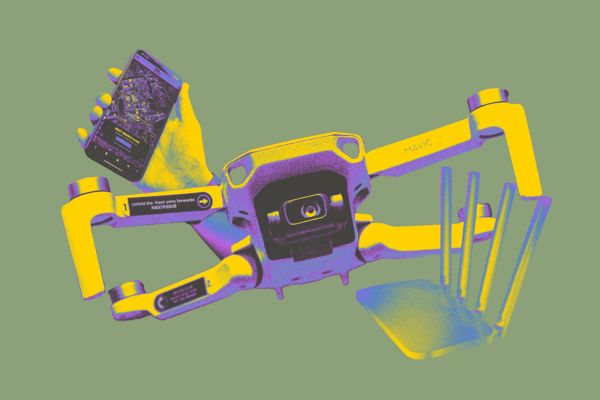
Digital Infrastructure Engineering Systems: Integrated Spatial Systems
Addressing real world problems this subject focuses on finding solutions to the environmental, economic, and social dilemmas of the 21st century by using an integrated, multi-disciplinary approach. The subject explores positioning technologies and measurement integration, Geographic Information Systems (GIS), distributed spatial computing and mapping, web mapping, and location-based services.

Graphic Design: Graphic Design Studio 3
Fast-paced and dynamic, this immersive subject sharpens skills while encouraging students to become critical thinkers and versatile practitioners. Understanding deepens as essential research methodologies and graphic design practices are developed and applied. Through a blend of knowledge building, collaboration and experimentation, students cultivate a socially engaged and reflective design practice.
Landscape Architecture: Landscape Studio – Designed Ecologies
Drawing on design theory and ecology, this subject is framed by contemporary agendas in landscape architecture, including hybrid urbanism, ecological succession, and the unusual qualities of remnant city spaces. A process-based approach to landscape is explored using design methods that inform a holistic practice of developing, creating, and communicating a speculative landscape project.

Mechanical Systems: Mechanical Systems Design
This subject explores how machines work. Students apply conceptual engineering design processes in the realisation of an autonomous mechanical system that combines mechanical and electronic elements. The design process incorporates concept evaluation against associated technical, environmental, and socio-economic factors, including safety considerations. This year the outcome was an amusement park ride for two.

Performance Design: Performance Design Studio
Using the play Macbeth by William Shakespeare and the Sumner Theatre in Southbank as a performance space, this capstone studio explores how that space, integrated with figure, light, and sound, can be shaped, distorted, or manipulated to help tell the story of Macbeth. The four performance design disciplines – sound, light, the figure (costume) and space (the set) are expressed in the form of digital and analogue models, drawings, renderings and recordings.

Property: Design & Property Studio
In teams, students investigate, analyse, and deliver a recommendation to a client as to whether a development proposal for a site should be pursued, through preparation of a detailed feasibility report and a series of staged oral presentations to a ‘Board of Directors’. Sites are assessed on economic, site, physical, town planning, social, and market research factors, simulating investigations by industry to produce initial high-level business cases.
Urban Planning: Urban Precinct Studio
Building on team efforts in site analysis and visioning, each student makes their own precinct structure plan that provides precinct-scale solution to urban challenges observed in both global and local settings. The “client”, usually a team of local government planners, brings to class multiple precinct sites which need timely attention of planners for developing healthy, liveable, and resilient cities. Student proposals demonstrate creativity in applying fundamental planning concepts, theories, and rigorous analysis methods to the formulation of urban design and planning frameworks for managing real-life complexities by urban planners.

User Experience Design: Interactive Technology Project
Student teams develop an innovative digital design for a chosen domain of human activity. Initial investigation is carried out through field observations, structured interviews and thematic analysis. Digital prototypes are then developed iteratively, informed by design precedents, storyboarding, and user-based evaluation studies. An evidence-based case for the team's digital design proposal is delivered.