Shristi Kuikel
Doctor of Philosophy candidate
Urban planning, Urban design
Biography
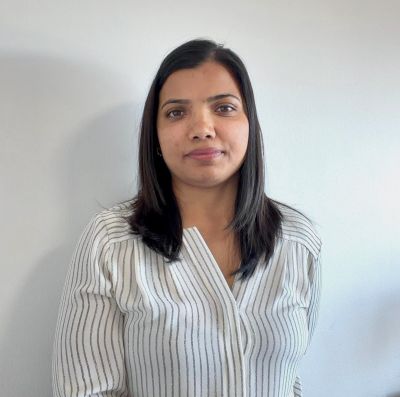
Shristi Kuikel is a PhD candidate at the University of Melbourne and a recipient of Melbourne Research Scholarships 2025. Her work examines urban form and multilevel governance in rapidly urbanising cities of the Global South. Shristi holds a Bachelor of Architecture from Nepal and a Master of Science in Construction Management from Arizona State University, USA. After her undergraduate degree, she gained five years of experience working with the Government of Nepal, contributing to nation-building initiatives under the Department of Urban Development and Building Construction (DUDBC), including smart cities and new town planning projects. This hands-on experience in government urban projects gave her a strong understanding of the planning challenges unique to South Asian cities.
At Arizona State University, she pursued electives in smart city sustainability and global perspectives in urban resilience planning, which broadened her perspective on the relationship between urban design, mobility, and liveable cities. These academic experiences, combined with her professional background in Nepal, ignited a strong enthusiasm to critically examine how cities of the Global South can be made more equitable and sustainable.
Thesis
Urban form and governance strategies for everyday cycling
Cycling in cities like Kathmandu has long been overlooked as a serious mode of everyday travel, not because people cannot cycle, but because the streets and the systems behind them make it unnecessarily difficult. My research sets out to understand why this is the case and what a more realistic path forward might look like.
This research looks at two sides of the same problem: how the physical layout of Kathmandu's streets either supports or discourages cycling, and how the institutions responsible for building and managing cycling infrastructure often work at cross-purposes with one another. This uses spatial mapping tools, including GIS and space syntax analysis, to read the city's street network and pairs this with governance research that traces how decisions about cycling actually get made (or don't).
To think beyond Kathmandu, the research draws on Bogotá's experience – a city that managed to make cycling a normal part of daily life through a combination of smart spatial decisions and political will. The goal is not to copy Bogotá's model but to learn from it in ways that make sense for Kathmandu's own streets, institutions, and people and that could meaningfully inform future cycling policy and investment in cities like Kathmandu.
Contact
- Email shristi.kuikel@student.unimelb.edu.au
- LinkedIn http://www.linkedin.com/in/ shristi-k-0353a320a
- ORCID Profile ORCID