Experiential, Adaptive Learning Tools for a Resilient Built Environment
The effects of climate change, inappropriate use and management of natural and human made resources, have combined with increases in urban populations interacting with natural hazards.
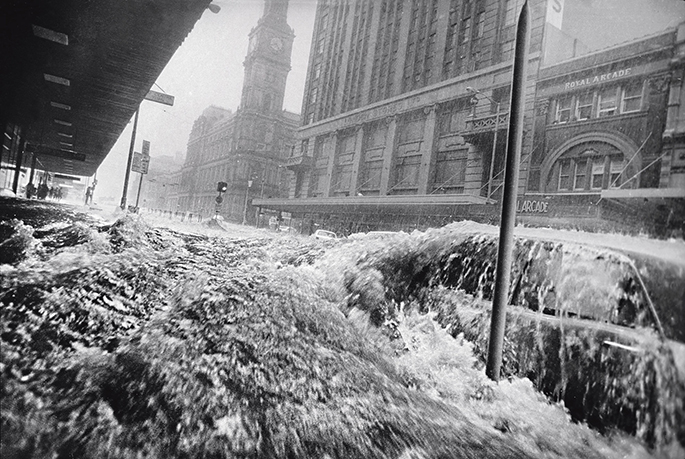
Human activities, particularly in urban areas, play a critical role in worsening vulnerability to natural hazards, particularly related to human settlements. Cities and towns represent significant long-term human investments, and are increasingly the main site of catastrophic events. The concept of resilience is a key principle to act on these challenges.
This project aims to utilise the reflexive attributes of experiential learning as a key as a way of integrating resilience in the education built environmental professionals' as a highly adaptable professional skill that can be applied in a variety of other contexts over time. It uses group learning and the development of a living learning repository to build and improve knowledge and skill.
Thanks to Joe Ravetz, Co-Director CURE (Collaboratory in Urban Resilience), Manchester Urban Institute, School of Environment Education & Development at the University of Manchester, for facilitating this workshop. This facilitation was made possible by the University of Melbourne-University of Manchester Research Fund 2016-17.
This project was funded by the University of Melbourne's Learning and Teaching Initiatives Fund and is a collaboration between the Faculty of Science and the Melbourne School of Design.