(Inter)Relationships between Indoor Environmental Quality, productivity, and healthy building frameworks: office spaces
Indoor Environmental Quality (IEQ) is a central factor for productivity and well-being in office spaces.
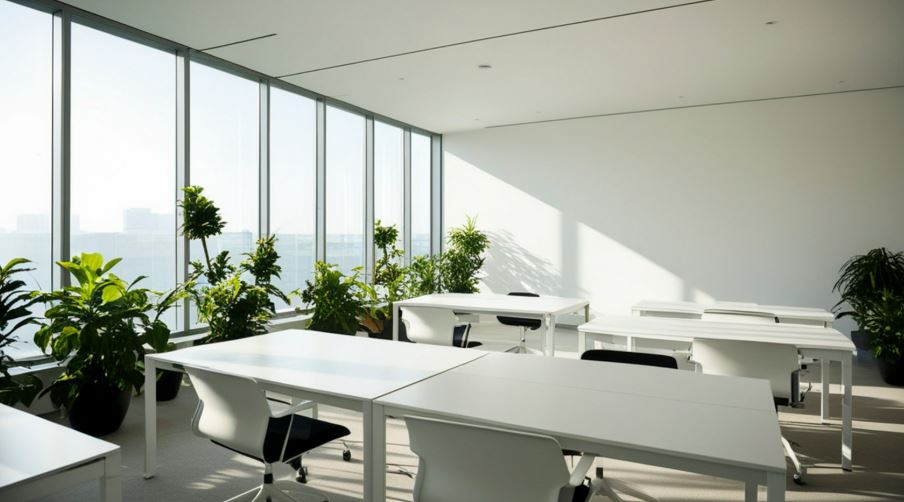
Frameworks such as WELL and Fitwel have been gaining ground in the Brazilian real estate market by offering evidence-based IEQ guidelines for health-oriented projects. Despite their growing adoption, empirical studies on their effectiveness remain scarce, particularly in Brazil. These frameworks also stand out for their alignment with ESG criteria and real estate asset appreciation, especially given the prospect of mandatory energy labelling in commercial buildings in Brazil by 2030, a practice already consolidated in Australia. This research hypothesizes that implementing these frameworks improves occupant satisfaction with IEQ, perceived productivity, and well-being, aiming to investigate their potentialities and barriers by analyzing anticipated and actual impacts on design, performance, and occupant experience in certified buildings. The methodology combines Post-Occupancy Evaluation (POE) methods, including stakeholder interviews, walkthrough analyses, perception surveys, and physical IEQ measurements in Brazilian case studies. A reference study in Australia will complement the investigation, providing a comparative perspective on certification adoption and highlighting contextual differences and outcomes between the two scenarios.