Wellbeing outcomes following thermal-environment innervations in housing of older Australians
The proportion of older people (i.e., those aged 65 or over) in the world’s population is increasing due to historically low fertility rates combined with increased life expectancy.
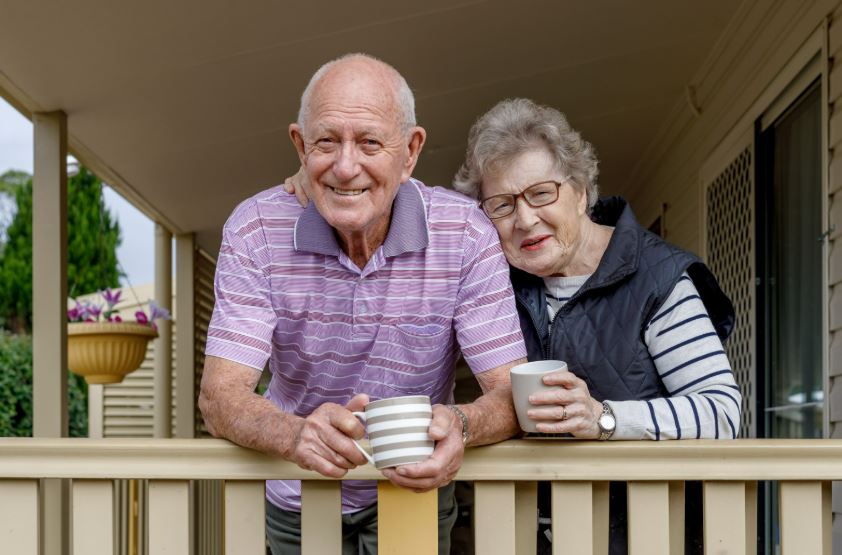
By 2071, it is projected that between 25 and 27% of Australia’s population will be aged 65 or over. To respond to these demographic trends, a growing body of policy and research over the last decades has accepted that ageing-in-place is most beneficial in the interests of older people’s independence, health and wellbeing, as well as to reduce the economic burden on governments and society for the provision of aged care facilities. Nevertheless, while there are several guidelines about designing and adapting dwellings to suit ageing-in-place, most of the information is related to accessibility and physical barriers. Information to aid older people’s thermal comfort and related wellbeing is not always considered. As thermoregulation plays a vital part in human survival, older people can become more vulnerable at temperature extremes in their environment. This vulnerability increases when the indoor environmental quality of their housing is not conducive to support their health and wellbeing and when improvements to living environments are not possible due to limited disposable income. Although investigations regarding the potential environmental effects on overall health and wellbeing have been increasing in the past two decades, the studies remain of observational nature. Most past studies either focus on interventions in office buildings and indoor air quality, or are, once again, limited to accessibility-related interventions. Therefore, this project proposes an interventional study to investigate health and wellbeing outcomes following interventions related to the thermal environment of housing of older Australians.