A new strategic planning report shines a light on the importance of the tributary intersections, or confluences of the Birrarung (Yarra River), as a starting point for re-envisioning the Great Birrarung Parklands.
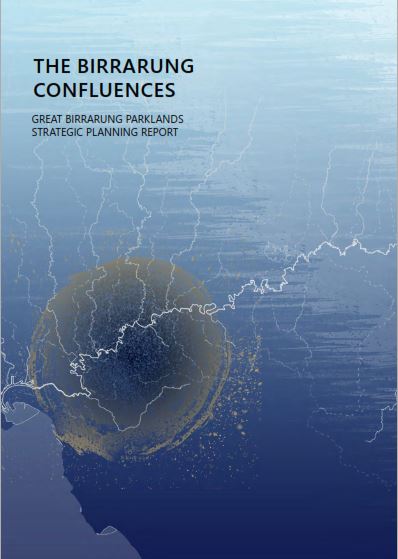
The Birrarung Confluences Report was developed through discussions with the Birrarung Council and through coursework with Uncle Bill and Uncle Dave from the Wurundjeri woi-Wurrung Aboriginal Heritage Corporation, with confluences having been highlighted by First Nations peoples as significant meeting places and sacred sites.
Led by the team at the Urban Ecology and Design Lab (UEDLAB) at the Faculty of Architecture, Building and Planning, the report received funding support and guidance from the Yarra Riverkeepers Association. The report focuses on three confluences with the Birrarung as case studies, including the Darebin, Merri and Gardiners Creeks.
According to project lead Professor Alex Felson, Elisabeth Murdoch Chair of Landscape Architecture for the Faculty of Architecture, Building and Planning, the aim of the ongoing research is to establish a set of culturally guided adaptation planning approaches that can support the Birrarung Council in their goal to “re-conceptualise the river as one living and integrated natural entity from source to sea,” as stated in the Yarra River Act (2017).
The report outlines short- and mid-term strategies for improvement of the parklands that can lead to longer term transformations. The hope is that this will be co-led by First Nations representatives on which the land sits and that the outcomes can be incorporated into existing land management documents to inform a more climate resilient, site-specific ecological regeneration.
“By embracing First Nations knowledge and supporting the role of land custodianship, we can inform our near mid- and long-term future goals that consider the impact on past, present and future generations,” Prof Felson said.
“The need to cultivate new narratives and new ways of conceptualising sharing the land and care for Country should inform how we live within our neighbourhoods, as well as our land use practices along the Birrarung and its tributaries. By reconnecting with the ecological dynamics of the river and its catchment area, we can make them more a part of our lives.”


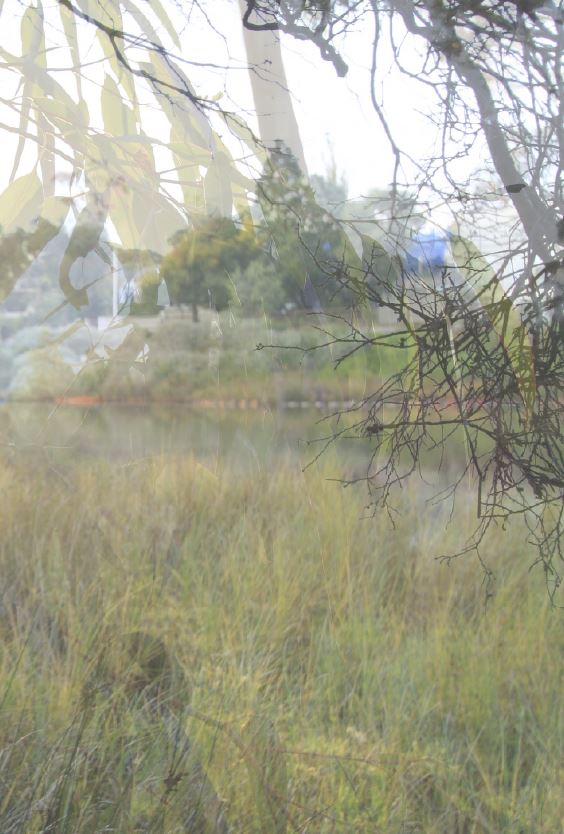

Since the establishment of Melbourne as a colony, the Birrarung’s floodplains, billabongs and tributaries have been heavily developed with industry and urbanisation. Demand for potable water, particularly during drought, led to the construction of dams and diversions for catchment and storage. This heavily reduced water flow reducing water flow into the floodplains.
Culturally and ecologically significant waterways no longer received enough water to support the native ecosystems and wildlife habitats along the Birrarung, such as the Bolin Bolin Billabong Reserve in Bulleen. The reduction in flow has left extensive floodplain mostly inactive and compromised. With strategic water management and habitat regeneration, certain areas, such as billabongs and wetlands can be reactivated and restored. This supports First Nations cultural landscape identity and native wildlife.
The report focuses on land use changes that build cultural heritage and ecological value. Recreational land, for example the golf courses that sit along the River and tributaries, can incorporate water sensitive urban design strategies including wetlands and bioretention as part of the design. Residential properties could also introduce managed ecological habitats for biodiversity and additional water sensitive urban design features.
Prof Felson cited the value of, “considering the building rooftops as the top of the watershed, and treating this water through integrated vertical treatment systems, allowing water to be caught from the roof and sent through a set of treatment strategies, down to rain gardens and constructed wetlands before reaching the creeks and river.”
The report highlights social, cultural and economic benefits associated with the strategies. For example, there is a correlation between access to green spaces and parklands and the mental health and wellbeing of residents.
“There is already an affinity for nature and a rich urban ecology in Melbourne. Our hope is that we can reinforce and develop this further by embracing First Nations perspectives on caring for Country and the integration of this with simple urban design language to communicate these strategies so that residents of these areas can and become invested in their success,” Prof Felson said.
Continued development pressures will exacerbate the existing issues around the health of ecosystems and built environments in Australia – flooding, drought, invasive species, and loss of biodiversity. According to Prof Felson, “the more that we’re able to transition our urban environments into healthier spaces and expand our collective understanding of Country and our ability to serve as custodians of the land, the better it’s going to be for the ecological systems that sustain us and for our own health.”