Internationalisation of the Curriculum

What is Internationalisation of the Curriculum?
Internationalisation of the Curriculum (IoC) is an educational approach that embeds global perspectives, intercultural understanding, and transnational competence into the design, delivery and assessment of teaching and learning. This set of resources has been informed by research conducted by the Melbourne Centre for the Study of Higher Education (CSHE) and an engagement program for ABP teaching staff that ran throughout Semester 1 2025 led by Teaching and Learning Innovation (TLI) and BEL+T.
IoC refers to the intentional process of integrating international, intercultural and global dimensions into the content and learning outcomes of a course or program. At the University of Melbourne, this practice supports the broader aim of preparing all students for a world characterised by complexity, diversity and interconnectedness. IoC is not just about adding international content but about transforming learning to foster graduates’ capabilities to work and contribute meaningfully to global and local contexts (Leask, 2013; Arkoudis & Baik, 2022).
Why is it important?
IoC equips students for operating in a global workforce, fosters inclusive attitudes and contributes to the development of critical academic skills. For staff, it carries the potential to enhance curricular relevance, promote reflective practice and contribute to more inclusive and equitable pedagogies. IoC also aligns with institutional goals around global engagement and curriculum innovation (as per the ASE Strategy 2023–2030 and ABP’s Designing Futures Strategy 2023–2028).
As Leask (2022) argues, “an internationalised curriculum is seen as of vital importance to all students as social, economic, and human beings who will live and work in a globalised world." According to Cai and Marangell (2022), the benefits of IoC for both students and staff sit across the following four domains:
- Cognitive Development and Employability for Students: Intercultural engagement supports cognitive development over time, with diversity-related experiences—such as interactions with peers from different backgrounds—most strongly correlated with cognitive growth (Bowman, 2010a; Pascarella et al., 2014; Roksa et al., 2017). Experiencing diversity during university has “a unique, positive impact on dimensions of general cognitive development such as critical thinking, analytical competencies and thinking complexity” (Pascarella & Terenzini, 2005, p. 209).
- Cross-Cultural Competence: Intercultural learning improves “cultural intelligence,” “intercultural competence” and “global perspectives” through diverse team activities and culturally responsive curricula (Cai & Marangell, 2022, p. 5).
- Attitudinal Shifts and Global Outlook: Students benefiting from IoC develop more positive attitudes toward cultural diversity, intercultural friendships and a more global perspective (Parsons, 2010; Engberg et al., 2016).
- Civic Engagement and Social Responsibility: IoC promotes “students’ civic engagement and attitudes towards cultural groups other than their own” (Denson & Bowman, 2013, p. 7).
What does Internationalisation of the Curriculum look like in practice?
IoC can be applied to any subject. Whilst many ABP subjects already contain international content, embedding international and/or intercultural perspectives has the potential to enhance any curricular context.
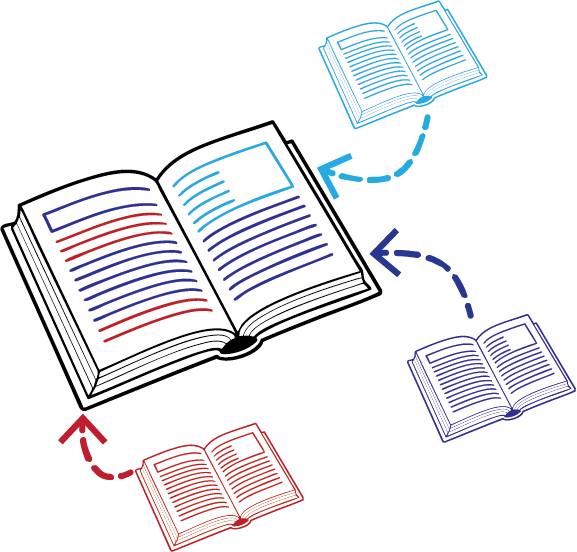
Based on the typology developed by Arkoudis and Baik (2022), common IoC approaches fall into four broad categories.
| Curricula with international content | Internationally comparative approaches | Interaction for learning between diverse groups of students | Learning opportunities locally nationally or internationally |
|---|---|---|---|
 | 
|  | 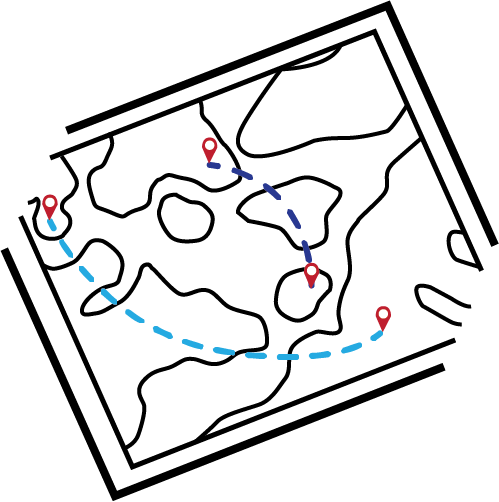 |
Include materials that provide different and broad international perspectives. | Examine topics or issues in one country (or a group of countries) by using data and insights drawn from the practises and situation in another country or countries. | Activities and assessment that encourage learning through collaboration between students from diverse backgrounds. | Learning through direct experience, locally or globally |
Examples from ABP Case studies of urban planning in diverse contexts (e.g., Singapore’s sustainable city planning). References to international building regulations and standards. Historical development of architectural styles across different cultures. | Examples from ABP Comparing housing affordability policies in Australia and Germany. Analysis of disaster-resilient construction methods in Japan vs. Italy. Discussion on different approaches to heritage conservation around the world. | Examples from ABP Group projects where local and international students collaborate on design challenges. Virtual exchange programs with overseas universities. Multicultural workshops on sustainable urban planning. | Examples from ABP International field trips to experience innovative urban design projects. Internships with multinational construction firms. Community-based projects addressing local sustainability issues applying a global perspective. |
Internationalising the Curriculum and the BEL+T DIAgram
Informed by scholarship and ongoing engagement with built environments pedagogy, BEL+T’s relational learning design framework is useful for guiding IoC efforts. Considering the three key areas of the DIA framework—Delivery, Interaction, and Assessment—can help staff ensure a holistic approach to any IoC intervention, as in the following example from Transit Oriented Development (TOD), an undergraduate subject in Urban Planning:
Diagram Component | IoC Enhancements |
|---|---|
Delivery | Provide curated readings on global TOD models, including policy documents from Asia, Europe, and the Americas. Create a structured international TOD comparison guide. |
Interaction | Implement a "Global TOD Workshop", during which students debate TOD strategies from different countries. Curate a guest lecture series as a virtual or text-based Q&A with urban planners operating across international contexts. |
Assessment | Modify an essay prompt to require comparative TOD policy analysis (e.g., Melbourne vs. Mexico City). Introduce a collaborative group project where students evaluate TOD in a context beyond Australia. |
Examples in ABP disciplines
As part of the Internationalisation of the ABP Curriculum project, BEL+T and central Teaching and Learning Support learning designers worked directly with ten academics to explore the IoC typology in their context. A first round of 1-on-1 consultations informed an IoC focus for each academic, which in turn informed tailored curricular development suggestions (e.g., revisions to content, activities and/or assessments). These suggestions were then refined further through discussion and feedback.
-
Focus: While most of the working group looked at IoC against an existing subject, Jie was proposing Warming Australian Homes as a new subject in ABP with a potential inclusion of IoC in the proposed application.
Proposed Changes:
IoC project support focused on suggestions to include IoC concepts into the new subject application. This included identifying opportunities for comparative analysis and international case integration within the curriculum framework.
Outcomes
The purpose statement of the proposed subject was redrafted to reflect global relevance, drawing on case studies from comparable international contexts facing similar housing and climate challenges.
Support for IoC Aims:
This work directly supports the broader goals of IoC by ensuring that new subject development includes a deliberate and thoughtful engagement with global perspectives from the outset.
-
Focus: Embedding integrated global environmental governance frameworks and diverse urban planning systems into the subject.
Proposed Changes: Based on two learning design consultations, the proposal included:
- embed global urban environmental frameworks (e.g., SDGs, UN-Habitat) into assessment criteria;
- include policy simulation exercises comparing planning tools from Global North and South;
- create reflective prompts on justice and power in global planning regimes.
Outcomes: As part of the project several IoC resources were developed for this subject and applied, including:
- a Week 4 activity comparing a nature-positive plan for Australia and Singapore's Green Policy;
- a Week 6 activity exploring urban water management global case studies;
- a Week 10 comparative activity comparing Japan’s zero-waste approach to a local council;
- urban water management case study summaries;
- TOD activity templates, comparative analysis worksheets and framework activities;
- an assessment task revision to incorporate a comparison of two policies from different countries and evaluate their applicability in Australia.
Support for IoC Aims:
- Type 1 & 2 Curriculum (international content and comparative analysis): Introduces multiple governance models and cultural planning traditions.
- Builds students’ ability to navigate diverse regulatory systems and apply planning in cross-border contexts.
- Aligns with ABP Designing Futures aim: Global and Collaborative Learning.
-
Focus: Review planned curriculum expansion for broader geographical scope and identify areas where international comparative studies could enhance learning.
Proposed Changes
- Expand to include case studies beyond Global North (e.g., TOD in Latin America, Africa and Southeast Asia).
- Introduce structured international comparative analysis (e.g., how TOD policies differ between developed and developing nations).
- Facilitate peer-to-peer international case study discussions (e.g., students analyse TOD in different cultural contexts).
- Provide a self-guided fieldwork template comparing local transport hubs with international case studies.
Outcomes
As part of the project, several IoC resources were developed for this subject including:
- international TOD case studies for different regions (Tokyo, Copenhagen, Bogota);
- a series of tutorial activities that are active and incorporate elements of problem-based learning and the flipped classroom approach;
- international performance evaluation frameworks for TOD and draft some activity idea;
- a systematic comparative analysis template for students to analyse TOD models in different regions.
Support for IoC Aims:
- Expands global perspectives by including case studies from Latin America, Africa and Southeast Asia.
- Enables international comparison of TOD policies, developing students’ analytical and intercultural skills.
- Fosters peer-to-peer intercultural learning through case study discussions.
- Introduces authentic, globally relevant resources like analysis templates and performance frameworks.
Aligns with ABP and UoM strategies for global, interdisciplinary and future-focused learning.
-
Focus: The initiative addressed both short-term and long-term goals. In the short term, the emphasis was on rethinking assessment design, particularly Assessment 3, to better integrate IoC. In the long term, the project aimed to inform suggested revisions to the Subject Handbook to reflect IoC principles.
Proposed Changes:
- As part of a deeper look into how assessments are scaffolded across the subject, a full redesign of Assessment 3 was proposed. This redesign was grounded in constructive alignment and carefully connected to the learning outcomes and the first two assessments.
- There were also suggestions for incorporating IoC more clearly into the Subject Handbook, helping students understand that the subject engages with both local and global perspectives.
Outcomes:
A number of IoC-focused resources were developed as part of this project, including:
- a revised version of the Assessment 3 instructions, updating both the aim and the task, with the new task encouraging students to take inspiration from global design practices and explore international case studies to propose a future-facing design intervention;
- relevant international case studies to support students working on Assessment 3;
- a refreshed draft of the Subject Handbook, now written with language that reflects an international outlook;
- clearer alignment with the University’s broader goals for internationalising the curriculum.
Support for IoC Aims
This work actively supports institutional efforts to embed internationalisation across the curriculum, ensuring students are equipped to engage critically with global design contexts.
-
Focus: In-class activities to explore global case studies of innovative housing models and policies frameworks with a particular focus on how to engage quiet students in the activity.
Proposed Changes:
- Explore housing policies, practices, and challenges from a global perspective (Typology: Internationalised Content).
- Encourage students to work in diverse teams and consider cultural factors in housing design and development (Typology: Internationalised Learning Environment).
Outcomes
As part of the project several IoC resources were developed for this subject including;
- Group work templates, worksheets and resources focusing on global case study comparison activities and inclusive ways to engage multidisciplinary students with diverse academic backgrounds and learning styles;
- Canvas-based modules, customisable and available in Canvas Commons to import into any subject, including:
- A Canvas module for staff on how to review their subject and make content and assessment changes aligned to the IoC typology;
- A Canvas module for students on international perspectives in the subject, intercultural competence and communication.
Support for IoC Aims:
- Promotes an inclusive, internationalised learning environment through structured group activities that engage multidisciplinary students.
- Develops transferable IoC teaching resources, including customisable Canvas modules and templates, applicable across any subject.
- Builds intercultural competence in students through targeted modules on international perspectives and communication.
- Supports staff capacity-building via a dedicated Canvas module guiding curriculum review and alignment with IoC typology.
-
Focus: The primary focus was to design a cohesive learning arc that integrated weekly scaffolding with international case studies. This approach aimed to build a structured progression of learning while embedding global perspectives throughout the subject content.
Proposed Changes:
- A key proposal was to integrate international case studies more intentionally into the weekly tasks. This approach aimed to create a seamless learning experience, allowing students to engage with global perspectives in a way that felt natural and relevant to their design work.
Outcomes
- A suggested weekly structure was developed, outlining how international case studies could be woven into the curriculum. This structure was designed to ensure the content consistently supports comparative analysis and critical thinking across different cultural contexts.
Support for IoC Aims:
The work strongly aligns with IoC principles by fostering an environment where students regularly encounter and reflect on international practices, broadening their understanding of design in a global context.
What are some of the challenges?
IoC is not always straightforward. It can be difficult to:
- find appropriate international materials or examples that resonate with local contexts;
- avoid tokenism or over-reliance on mobility-based internationalisation;
- support students (and staff) with different levels of intercultural literacy;
- and ensure assessment genuinely reflects global learning outcomes.
There may also be tension between accreditation requirements, disciplinary conventions and aspirations for deeper intercultural learning. As with any pedagogical shift, meaningful implementation requires time and reflection. Institutional support and guidance can also be valuable, as demonstrated through the above examples.
If you are interested in applying the IoC approach for subject development, get in touch with BEL+T!
References
- Akdere, M., Acheson, K., & Jiang, Y. (2021). An examination of the effectiveness of virtual reality technology for intercultural competence development. International Journal of Intercultural Relations, 82, 109–120. https://doi.org/10.1016/j.ijintrel.2021.03.009
- Bowman, N. A. (2010a). College diversity experiences and cognitive development: A meta-analysis. Review of Educational Research, 80(1), 4–33. https://doi.org/10.3102/0034654309352495
- Bowman, N. A., & Brandenberger, J. W. (2012). Experiencing the unexpected: Toward a model of college diversity experiences and attitude change. The Review of Higher Education, 35(2), 179–205. https://doi.org/10.1353/rhe.2012.0016
- Cai, J., & Marangell, S. (2022). The benefits of intercultural learning and teaching at university: A concise review. Melbourne Centre for the Study of Higher Education, University of Melbourne. https://doi.org/10.26188/20742412.v1
- Denson, N., & Bowman, N. A. (2013). University diversity and preparation for a global society: The role of diversity in shaping intergroup attitudes and civic outcomes. Studies in Higher Education, 38(4), 555–570. https://doi.org/10.1080/03075079.2011.584971
- Engberg, M. E., Davidson, L. M., Manderino, M., & Jourian, T. J. (2016). Examining the relationship between intercultural engagement and undergraduate students’ global perspective. Multicultural Education Review, 8(4), 253–274. https://doi.org/10.1080/2005615X.2016.1237417
- Etherington, S. J. (2014). But science is international! Finding time and space to encourage intercultural learning in a content-driven physiology unit. Advances in Physiology Education, 38(2), 145–154. https://doi.org/10.1152/advan.00133.2013
- Leask, B. (2009). Using formal and informal curricula to improve interactions between home and international students. Journal of Studies in International Education, 13(2), 205–221. https://doi.org/10.1177/1028315308329786
- Leask, B. (2022). Rethinking internationalisation of the curriculum, in D'Angelo, A.M., O'Brien, M.K., & Marty, G. (Eds.). (2022). Mestenhauser and the Possibilities of International Education: Illuminating Pathways for Inquiry and Future Practice (1st ed.). Routledge. https://doi.org/10.4324/9781003159810
- Mitic, R. R. (2020). Global learning for local serving: Establishing the links between study abroad and post-college volunteering. Research in Higher Education, 61(5), 603–627. https://doi.org/10.1007/s11162-020-09604-w
- Olson, R., Bidewell, J., Dune, T., & Lessey, N. (2016). Developing cultural competence through self-reflection in interprofessional education: Findings from an Australian university. Journal of Interprofessional Care, 30(3), 347–354. https://doi.org/10.3109/13561820.2016.1144583
- Parsons, R. L. (2010). The effects of an internationalized university experience on domestic students in the United States and Australia. Journal of Studies in International Education, 14(4), 313–334. https://doi.org/10.1177/1028315309331390
- Pascarella, E. T., Martin, G. L., Hanson, J. M., Trolian, T. L., Gillig, B., & Blaich, C. (2014). Effects of diversity experiences on critical thinking skills over 4 years of college. Journal of College Student Development, 55(1), 86–92. https://doi.org/10.1353/csd.2014.0009
- Pascarella, E. T., & Terenzini, P. T. (2005). How college affects students: A third decade of research (Vol. 2). Jossey-Bass.
- Robledo-Ardila, C., Aguilar-Barrientos, S., & Román-Calderón, J. P. (2016). Education-related factors in cultural intelligence development: A Colombian study. Journal of Teaching in International Business, 27(1), 41–58. https://doi.org/10.1080/08975930.2016.1172541
- Roksa, J., Kilgo, C. A., Trolian, T. L., Pascarella, E. T., Blaich, C., & Wise, K. S. (2017). Engaging with diversity: How positive and negative diversity interactions influence students’ cognitive outcomes. The Journal of Higher Education, 88(3), 297–322. https://doi.org/10.1080/00221546.2016.1271690