Landscape Architecture Design Thesis
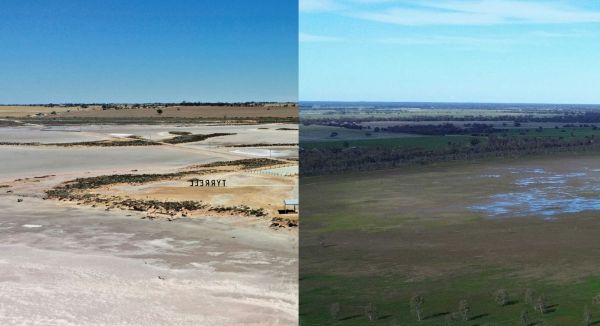
Two Lakes Two Ways
Associate Professor Jillian Walliss
| Studio Structure | |
|---|---|
| Is the site determined? | Yes |
| Is the program determined? | No |
| Is the concept determined? | No |
| Is the user determined? | Yes |
| Is the approach determined? | No |
Studio Description
Four hours north of Melbourne is the extraordinary Lake Tyrell (or Direl in the local Wergaia language). This salt lake is known for its dramatic night sky reflections in winter and is considered a prime spot for astronomy. Travel 120 kms south- east and the landscape shifts from the dry mallee country to the seasonal flood plains of the Boort region. With over 400 scar trees, mounds, ceremonial spaces and extensive artefact, this ephemeral wetland landscape offers visitors a unique immersive experience of Dja Dja Wurrung Country. Working through the lens of cultural tourism, this studio challenges students to develop an experiential intervention for each lake. Two prompts will structure this work.
First, to explore a physical memorial to the Sixth Extinction—'a global event that has happened, is happening, and is also yet to happen.’ This live competition asks for a response ‘that doesn’t remember or edify the human subject as most memorials do but rather questions the human as nature’s self-appointed executioner.’ The studio timing will allow for the submission of work to the competition (1 November deadline)
Second, working alongside architecture students from Studio C, consider how a focus on wellness might inform a landscape driven tourist experience. Students can choose which lake to site their memorial or landscape experience. Given the scale of the Boort region, the studio will focus on Kinypanial Creek - an ephemeral and culturally significant creek system that feeds into the southern end of Lake Boort.
Students will be required to think critically about the challenges of designing in remote/regional areas, along with considering how their design strategy might deliver economic outcome, skill training, employment and self-determination for traditional owners.
A three-day field trip (with Studio C) is planned from Friday 7th August to Sunday 9th August.
Studio Leader
Jillian Walliss has co-authored the critically acclaimed book Landscape Architecture and Digital Technologies: Reconceptualising Design and Making (Routledge, 2015) with Dr. Heike Rahmann and co-edited The Big Asian Book of Landscape Architecture (Jovis,2020), offering innovative perspectives on Asian approaches to nature, design, and urbanism. She has curated several influential exhibitions, including Alison Page Creative Shape Shifter (2026) Landscape Architects as Change Makers (2023) and The Square + The Park festival (2019). Beyond her academic roles, Jillian actively contributes to the landscape architecture community, continually advancing the discourse on the cultural and technological dimensions of landscape architecture.
Readings & References
- The Lake of Scars (2022) documentary presented by the late, great Uncle Jack Charles
- N. Curtin, S. Bird, (2022) ‘We are reconcillators”: When Indigenous tourism begins with agency,’ Peace Through Tourism, 135-155. taylorfrancis.com
- R. Ballinger, (2011) ‘Frontierland and homeland on the Northern Plains of Victoria 1841-1869,’ Journal of Australian Colonial History, 49-65.
- Richard Weller, Claire Hoch & Chieh Huang, https://atlas-for-the-end-of-the-world.com
- Richard Weller, The World Park Project, McHarg Center for Urbanism and Ecology, University of Pennsylvania. https://theworldpark.com
Schedule:
Thursday 9am - 3pm
Off-site activity:
TBC
Need enrolment assistance?
Stop 1 provides enrolment and other support to Bachelor of Design, Bachelor of Environments and Melbourne School of Design students.