Studio 29
STUDIO 35 mm
Hamid Khalili | Technology + Senses Focus
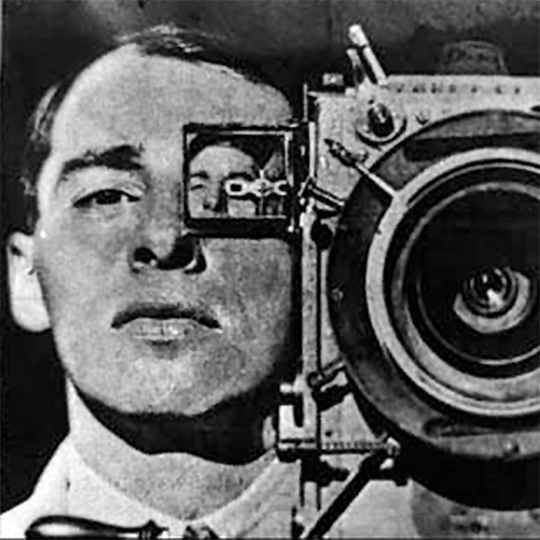
This studio is available to students enrolled in ABPL90143 Studio D and ABPL90115 Studio E only.
Studio Description
Studio 35mm provides students with appropriate methods, tools and skills to learn the cinematic strategies for narrating architectural fictions, atmospheres, ideas. The process of working in this studio includes research into film and architectural theory, weekly filming and editing exercises and, most importantly, applying filmic techniques to a short film, animation or VR film as the final product of the studio. Studio 35mm aims to employ the power of the moving image to comprehend, dissect, communicate and design.
Studio Outcome
This studio attempts to create an opportunity to focus on the notion of species of spaces, as its point of departure. In Studio 35mm, different species of spaces and architectural elements, disparate buildings components and diverse categories of virtual and real spaces will serve as bases to produce architectural films, animations and VRs/ARs about the actual and fictive architectures of today, past and future.
This studio is structured around two main parts. For each part, students will tackle an architectural theme/issue that will be presented through film, animation, VR, AR or other time-based media. The products are supported by sophisticated exploratory and descriptive diagrams, plans, physical models, conceptual sculptures, choreographic mapping, image-space analysis and other techniques that architects and, sometimes, filmmakers use.
At the end of this subject students will be able to:
- Re-discover, examine and dissect the architectural theories related to a species of spaces from a phenomenological and experiential perspective.
- Test how the species of spaces are used, inhabited and experienced by users.
- Use and apply tools, techniques and knowledge of photography and cinematography within an architectural context.
- Use and apply theoretical and practical aspects of film editing and montage in architectural design and architectural time-based media.
- Engage with the realms of theory and philosophy where film and similar media, overlap and influence the way architecture is perceived and experienced.
- Plan and make a film, animation, and VR for communicating spatial qualities of architectural/urban spaces in a compelling and professional way.
- Examine architectural/urban spaces in/through film and investigate film as means of architectural documentation and historiography.
- Engage with film as a source of formal, theoretical, historical and socio-spatial inspiration.
- Put forward design propositions based on cinematic analyses.
- Explore the cinematic qualities of architectural/urban spaces.
Studio Leader
HAMID KHALILI is a PhD researcher and an architectural design studio leader in the Faculty of Architecture, Building, and Planning at the University of Melbourne. Hamid has practiced and taught both architectural design and film in Europe and the Middle East. He has taught architectural design studios and subjects concerning architectural theory at MSD and has been involved, as a studio leader and guest lecturer, in various courses and subjects engaging with the reciprocity between the new media and architecture in Europe, Australia, and the Middle East.
Readings & References
- Benjamin, Walter. 2008. The Work of Art in the Age of Mechanical Reproduction. Translated by J. A. Underwood. London: Penguin.
- Bordwell, David Jay, and Kristin Thompson. 2010. Film Art : an Introduction. New York: McGraw-Hill.
- Bruno, Giuliana. 2002. Atlas of Emotion: Journeys in Art, Architecture, and Film. New York: Verso, 2002.
- Cairns, Graham, François Penz, and Holly Rose. 2013. The Architecture of the Screen: Essays in Cinematographic Space. Bristol, England ; Chicago, Illinois : Intellect, 2013.
- Deleuze, Gilles. 1989. Cinema 2: the Time-image. Minneapolis: University of Minneapolis Press, 1989.
- Katz, Steven. 2004. Cinematic Motion: a Workshop for Staging Scenes. Studio City, CA: Michael Wiese Productions.
- Koeck, Richard. 2012. Cine-scapes Cinematic Spaces in Architecture and Cities. Hoboken: Taylor and Francis.
- Penz, François. 2017. Cinematic-Aided Design: An Everyday Life Approach to Architecture. New York: Routledge.
- Perec, Georges. 2008. Species of space and other pieces. New York: Penguin.
- Tawa, Michael. 2011. Agencies of the Frame: Tectonic Strategies in Cinema and Architecture. Newcastle upon Tyne, UK: Cambridge Scholars Publishing, 2011.
Schedule Mondays and Thursdays 18:15-21:15 in MSD Room 118
Need enrolment assistance?
Stop 1 provides enrolment and other support to Bachelor of Design, Bachelor of Environments and Melbourne School of Design students.