Thesis Studio 02
Studio 2: Re-evaluating the riparian
Alistair Kirkpatrick
Studio Description
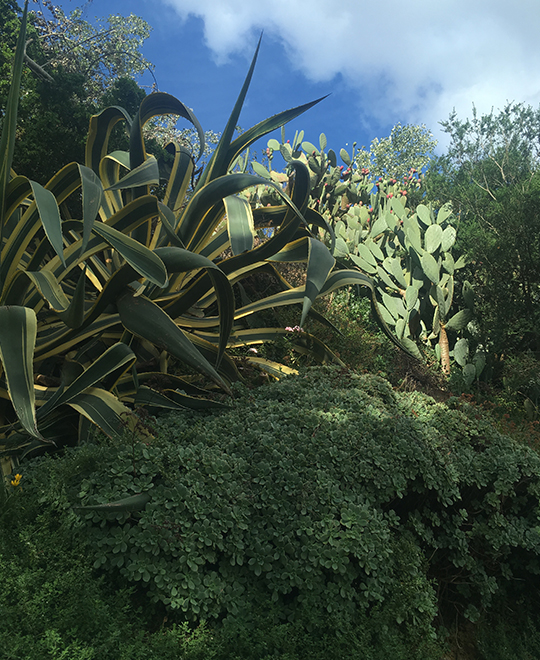
RE-EVALUATING THE RIPARIAN Exploring ecological design opportunities in the Edgar Creek valley. Covid-19 virus has radically changed the world in innumerable ways. An observable phenomenon in Melbourne was the increased use and valuing of urban greenspace. Landscapes previously thought of as interstitial, suddenly become heavily occupied and rediscovered. The slice of Edgars creek, to be examined in this studio, is wedged between industrial and residential land. The path networks are not formalised and bridges are absent resulting in many ‘dead’ ends. It is a complex landscape with many plant communities and many more edges. What does ecological design look like in a Post Covid-19 recession? How do we embrace decline? Can a recession offer new methods of designing with ecological processes? Students of this thesis course will learn design methodologies/techniques and engage with landscape theories with a focus on phenomenology. Re-evaluating the riparian offers an alternate view of designing with ecological systems, identifying the systems /processes that exist on site, using those processes to generate forms then iterating those forms. Re-evaluating the riparian thesis studio asks students to critically engage with the role of the path in landscape and examine how it can be used as a design.
Studio Outcomes
The objectives of the thesis studio are as follows
- Designing through the theoretical lens of phenomenology
- Designing through time
- Identifying ecological processes, using identified processes to generate form
- Designing with vegetation
Studio Leader
I have been working in the disciplines of academia, landscape architecture and ecology for the last 20 years with a particular focus on Melbourne’s vegetation communities. I have always loved the plant kingdom with an abiding passion, allegedly my first utterance was the word flower. I care deeply about the preservation of remnant ecologies whilst simultaneously recognising the potential value of novel ecologies in urban regions. I graduated from RMIT Masters of landscape architecture with distinction in 2012. My Masters dissertation was a body of research that investigated if tertiary streetscapes could become a new park typology through the manipulation of soils and self-perpetuating vegetation communities. I have been consistently teaching in tertiary institutions for the last seven years, generating content and coordinating courses. Teaching has given me the opportunity to test ideas of vegetation as a space generator, distorting the current top down model of hardscape being the dominant element in built projects. Current maintenance regimes can have massive environmental impacts and poor spatial outcomes for vegetated landscapes. I have invited students to critique these practices and generate alternate methods as a design technique and method of form generation. I established my practice, AKAS LA PTY LTD in 2013 with Anthony Sharples. We are proudly responsible for the planting of 12,175 plants in Melbourne’s urban environment. We were invited to speak at AILA’s international conference in 2018 ‘Expanding the Field’. This gave us an incredible opportunity to discuss the importance of vegetation in landscape architectural practice. We are passionate about genuine sustainability and championing environmental awareness. Our boutique garden at the Melbourne International Flower and Garden show gave us an opportunity to generate discourse on plastic pollution.
Readings and References
- Nathanial, R 2016, When parks were radical, The Atlantic Magazine, https://www.theatlantic.com /magazine/archve/2016/better-than-nature/
- Presland, G 2009, The Place for a Village how nature has shaped the city of Melbourne, Museum of Victoria Publishing, Melbourne
- Lima Alves, E et al 2017, The urban heat island effect and the role of vegetation to address the negative impacts of local climate changes in a small Brazilian City, Atmosphere, Lisbon.
- Low, T 2002, The new nature winners and losers in wild Australia, Penguin, Australia.
Need enrolment assistance?
Stop 1 provides enrolment and other support to Bachelor of Design, Bachelor of Environments and Melbourne School of Design students.