THE/11
Next Generation University Buildings
Xiaojing Sang
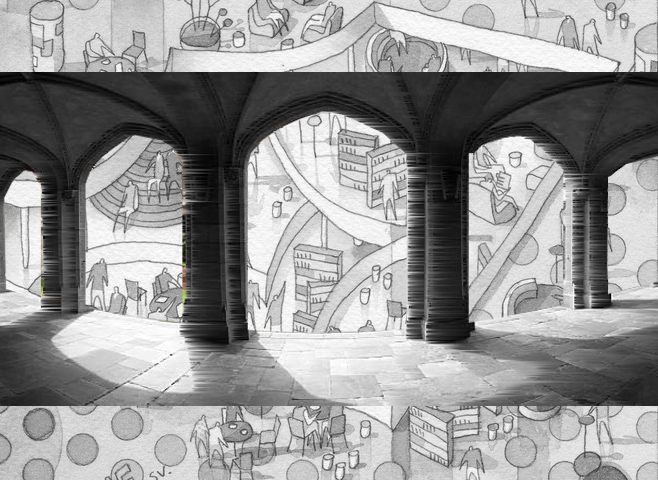
Studio Description
This is a defined studio project. The theme of the studio is searching for forward-looking design concepts for design model of university buildings. As a training place for cultivating the next generation of social elites, universities play a vital role in social development. As architects, can we inspire students to learn and innovate through the innovative design of buildings?
Students can select a building within the University of Melbourne for renovation design. It can be a building with historical significance or a building with unique functions. By sorting out the architectural patterns of current educational buildings, students can reason about more creative design methods. The purpose of the renovation design is to allow students to understand the potential architectural features of future university campuses, cope with the more advanced teaching environment in the future, and ultimately propose a groundbreaking next generation educational architectural model.
By agenda, in the first two weeks of the semester, students will work together to study the relationship between the University of Melbourne's master plan and individual buildings. This can effectively help students determine the building they will study and transform from the 3rd week onwards. After each student selects the building they want to renovate, they will carry out a serious of research to define a predictive design logic. During the research based design process, students can fully understand the design methods of educational projects, create a future university architectural model that fits their vision. Such a topic that combines virtual and real situations can help students maximize their abilities in all aspects of design, and at the same time form a design philosophy of their own thru this final design journey before graduation.
Studio Outcomes
The outcome of this studio will combine a thesis writing and architecture design. The depth and scope of the design are determined according to each student's specific research direction. Thesis writing requires students to do a certain amount of reading and analysis, and record the process of forming design ideas throughout the semester. Through the elaboration of this thesis, a research-based design exploration process is completed. The results of architectural design should be presented in the form of a complete set of design drawings and physical models to reflect design methodology and logic reach new heights beyond their previous experience.
Studio Leader
Xiaojing Sang is an academic based research driven designer, she is passionate about implying creative design methodologies into practical architectural design, has great interest on the research of the role of architectural design in future cities. Since 2006, her practical design experience covers various types of projects, and mentored by highly reputable architects in her early stage career as an architect. From 2014, She is responsible for leading design concept generation in design firms and has successfully won several national and international architectural design competitions. Xiaojing believes ground break design comes from breakthrough thinking supported by research results, she carries this belief on thesis design teaching since 2020.
Readings & References
To be provided in class.
Schedule:
Tuesday 9:00am-1:00pm in MSD 238
&
Friday 11:00am-1:00pm in MSD 238
Need enrolment assistance?
Stop 1 provides enrolment and other support to Bachelor of Design, Bachelor of Environments and Melbourne School of Design students.