Open: Future Civic
Open: Future Civic
Emilio Fuscaldo
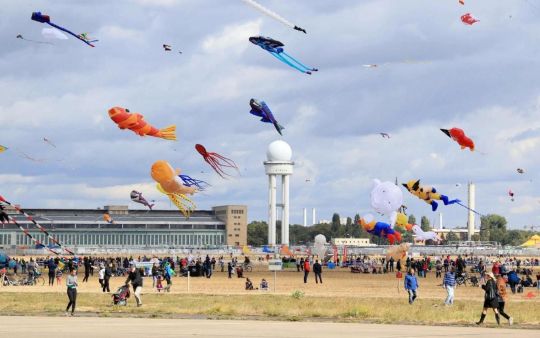
Studio Description
Future Civic provides students with an opportunity to explore innovative civic architecture and urban design projects. This open studio allows students the freedom to choose their sites and programs, fostering creativity and independence. However, the studio focuses specifically on public and civic buildings, amenities, landscapes, and public spaces. Students interested in housing projects are encouraged to participate in other studios.
This studio responds to Melbourne's rapid growth by proposing public and civic projects that are more agile, focused, and flexible than the traditional large-scale community centres seen in recent years, such as those in Dandenong and Sunshine. The complexity and scale of student projects will depend on the programs chosen by the students; a single set of public toilets would be too small, while a sports stadium would be too complex. Students will receive support through various options to determine the appropriate level of complexity and scale for their projects.
Students are encouraged to model their projects after examples such as libraries, community hubs, sports pavilions, public transport infrastructure, pools, and recreation areas. They are urged to go beyond these examples by integrating concepts related to social justice, gender equality, and the climate crisis to address future societal needs.
Additionally, students will be inspired to adopt an interdisciplinary design approach that considers the needs of non-human "clients," such as plants, animals, and environmental systems. This methodology may lead to projects that initially focus on landscape and geography before incorporating architectural and urban design strategies.
Students will be required to situate their projects in public spaces of their design, making their projects both architectural and urban design provocations.
At the beginning of the semester, students will conduct theoretical research on urban design topics such as spatial justice, privatization, gender, text, place, or the concept of a citizen's right to the city. This research will form the foundation of their propositions by framing their thesis question.
Students will use creative mapping to guide their project location decisions based on socio-political and environmental factors, such as wealth, equality, liveability, heat, and water. They will also explore locations of contested ideas and identities, like sites of protest and gender-based violence. Translating research findings into design strategies will be the focus of the second half of the semester. Students will engage in exercises, including precedent research, 2D and 3D parti-diagrams, and firstperson vignettes, to refine their research questions.
The studio encourages students to investigate their city and uncover elements that are not immediately visible. This research will help shape their proposals that aim to fill gaps or heal scars in the city’s social infrastructure.
Studio Outcomes
The studio’s materials and activities are designed to encourage students to think beyond their own experiences. Through written and drawn exercises, they will explore the connections between architecture and other disciplines, such as film, art, literature, landscape, and urban design. Students will be challenged to take agency in their learning process rather than simply follow instructions. Guest speakers will be invited to the studio to share insights about their craft and various topics.
The studio will begin with a theoretical, social, and cultural study of social infrastructure in Australia and worldwide. We will also examine concepts outside of traditional architecture to expand our understanding of what social services should encompass. Students will be encouraged to take leadership in defining their briefs and selecting project sites, ensuring their projects are culturally relevant.
Final projects will propose entirely new pieces of social infrastructure whose primary function is to foster and maintain communities. These projects will have both an urban design focus and an architectural resolution, with students encouraged to blur the lines between these two disciplines.
The studio will promote a hands-on approach, encouraging students to leave their computer screens and engage with the streets. Gathering primary research will be central to the studio's process.
Great outcomes arise from students developing their interests through critical thinking while feeling supported. I strive to set aside my own biases, listen deeply to students, and mentor them so that they can take pride in their achievements.
Studio Leader/s
Emilio Fuscaldo founded Nest Architects in 2006 and has extensive experience leading projects across various sectors, including residential, hospitality, retail, and education. Nest has received numerous awards and has established itself as an integral part of Melbourne's architectural landscape.
In addition to his work at Nest, Emilio has taught design studios in the Architecture and Interior Design departments at RMIT and the University of Melbourne. Since 2022, he has been leading Design Thesis studios at the University of Melbourne. Throughout his teaching career, he has helped many students produce inspiring projects by fostering a friendly and supportive studio culture.
Before earning his Architectural degree in 2002, Emilio completed an Arts degree with Honours in Philosophy, focusing on a thesis about Environmental Ethics. He is passionate about the power of collaboration and strongly advocates for environmental sustainability and inclusive design in all his projects. For Emilio, being an architect is an opportunity to contribute to the improvement of our shared community.
Readings & References
Discussed in class.
Schedule:
Tuesday 3pm-5pm in MSD 142
Thursday 11am-3pm in MSD 142
Off-site Activities:
TBA
Need enrolment assistance?
Stop 1 provides enrolment and other support to Bachelor of Design, Bachelor of Environments and Melbourne School of Design students.